

Ferns are a great choice if you’re looking for an easy-to-grow plant. They can survive in most climates and conditions. But they do best where there’s plenty of moisture. Today, we’ve created a list of our favorite types to help you start growing this beautiful foliage at home!
Boston Fern

Boston ferns are native to the tropical rainforests of Central and South America. This variety is one of the most popular types of houseplants. They can extend in height up to 6 feet tall with many tiers.
Boston ferns are a good choice for hanging baskets. They produce graceful hanging fronds that cascade over the sides. These plants have also been used as screens or dividers in offices and homes.
Button Fern
Button ferns are small, low-growing ferns with a soft and delicate appearance. They’re often grown indoors because they thrive under low light conditions. But they also do well outdoors when planted in moderate shade. Button ferns are often used as ground cover in terrariums.
Keep them moist while ensuring that the soil is not waterlogged. Water them regularly throughout the year. It works for both growing indoors and outdoors.
Asparagus Fern
The asparagus fern is a type of fern that originated in Asia, Europe, and North America. It is native to Japan, China, Korea, and Taiwan.
The plant’s scientific term is “Asparagus Setaceus.” It belongs to the botanical family of Liliaceae. The Latin word “setaceus” means “bristly,” referring to its leaflets’ appearance.
Maidenhair Fern

Maidenhair ferns are best suited for areas that stay moist. They prefer soil that’s on the acidic side. You can add charcoal or peat moss to your potting mix.
Maidenhair ferns do well indoors when grown in the right conditions. But they can also be grown outdoors if you live in an area with mild winters. Even though maidenhair ferns are adaptable, they don’t like being extremely hot or cold. The best temperature range for them is 60°F–70°F during spring through fall and 50°F–60°F during winter months.
Bird’s Nest Fern
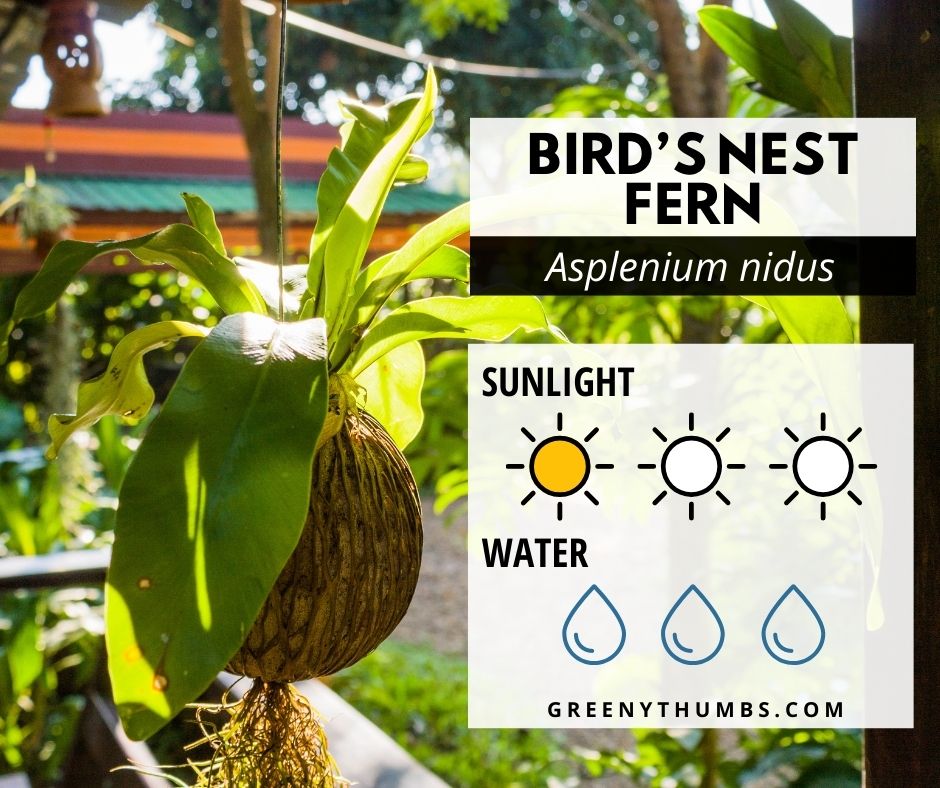
The Birdnest Fern is a slow grower and does not like to dry out. It prefers moist soil and will do well in partial shade to full sun. The fronds are delicate looking, with feathery edges that resemble those of a bird’s nest. It’s one of the most popular types of ferns due to its evergreen nature and ease of care.
Kimberley Queen Fern
Kimberly Queen Fern is native to the Kimberley region of Australia. This fern is a hardy variety that grows well indoors or outdoors in warm climates. It’s easy to grow it. You can prune them if you want to maintain their size.
Asplenium nidus
Asplenium nidus is also known as Bird’s Nest Fern. This type of fern has become popular among gardeners. It can tolerate dry air without losing its leaves. But, it requires more sunlight than most other types of ferns. So if you want to keep one indoors, ensure plenty of natural light!
Lipstick Fern
The lipstick fern is also known as the “lady fern.” It is a popular houseplant because it does well under low light and is one of the most practical indoor plants.
Lipstick ferns are tropical plant that is often grown indoors. You can keep these ferns in a pot or garden. But they do best when they receive bright sunlight dappled with shade during the day. They like temperatures between 60 and 70 degrees Fahrenheit at night. That makes them an excellent choice for people in Florida who want to brighten their homes. They also don’t have to worry about growing other plants outside.
Lipstick ferns typically grow up to 3 feet tall. Still, many get at most 18 inches (45 cm). So if you’re hoping for something larger than a decorative piece, keep looking! Their thin leaves make this type less attractive. It also prevents light from reaching its interior tissues.
Lady Fern
Lady ferns are small, graceful plants that grow in clumps. Their fronds are bright green, glossy, long, narrow, and finely cut edges. Lady ferns have soft stems underneath the fronds, making them very easy to propagate. Break off a piece of stem with roots attached and plant it! They can be anywhere from 4 inches to 2 feet tall, depending on the variety you choose.
Lady ferns are easiest to grow indoors. They do well in pots, hanging baskets, and outdoors. They prefer moist soil but can tolerate partial shade. Ensure drainages, so your plant doesn’t get too wet!
Staghorn Ferns

Staghorn ferns are native to tropical rainforests. You can find them in Australia, Southeast Asia, and the Pacific Islands. They have a broad, flat front that looks like a stag’s horn or antler.
Staghorn ferns will tolerate indirect sunlight for part of the day as long as plenty of moisture is provided by frequent watering. They can also be grown outdoors in shady areas of your yard where the soil isn’t too dry. But staghorn ferns are commonly used in hanging baskets and terrariums.
Conclusion
Ferns are a great way to liven up your home with greenery. From simple Boston ferns to the exotic Birdnest ferns, there is something for every room! They offer a range of styles, colors, and sizes, so there’s something for everyone.

