

Mulch vs wood chips, which one is better and which one should you use? We’re sharing everything you should know in this guide!
Every home gardener wants to ensure their garden is well cared for. One important way to do this is using the right material to cover their soil and protect their plants. Two popular materials for this are mulch and wood chips.
What is Mulch?

Mulch is created from organic material like bark, compost, grass clippings, or leaves that have been shredded into small pieces. This helps to keep moisture in the soil and protect it from harsh temperatures. Mulch also prevents weeds from growing and breaking up any compacted soil.
Other reasons why mulch is the go-to choice for gardeners include:
- It helps to reduce soil erosion as it holds the soil in place.
- It can provide plants with additional nutrients as it breaks down over time.
- Mulch also helps with temperature control, keeping the soil warm or cool depending on the season.
Different Types of Mulch
There are different types of mulch that you can use for your garden. The type of mulch will depend on what type of soil and plants you have in your garden.
Organic Mulches
Organic mulches are made from naturally occurring materials that decompose over time, adding valuable nutrients to your soil.
1. Shredded Bark Mulch

This is one of the most common types of mulch. It’s made from the bark of trees, usually pine, cypress, or cedar. Shredded bark mulch is excellent for slopes and areas where erosion could be a problem since it interlocks and stays in place better than most other mulches.
- Pine Bark Mulch. This works well with acid-loving plants like blueberries and azaleas. Cocoa bean hulls also make a great addition to vegetable gardens.+
- Hardwood Bark Mulch. This type of mulch is great for areas where you need to retain moisture, as hardwood bark helps to retain more moisture than other types of mulch.
- Cedar Mulch. Cedar provides a great barrier against weeds, and it’s also known to be great for repelling bugs.
2. Wood Chips

Wood chips are larger and chunkier than shredded bark. They’re often a byproduct of tree pruning or removal.
3. Compost
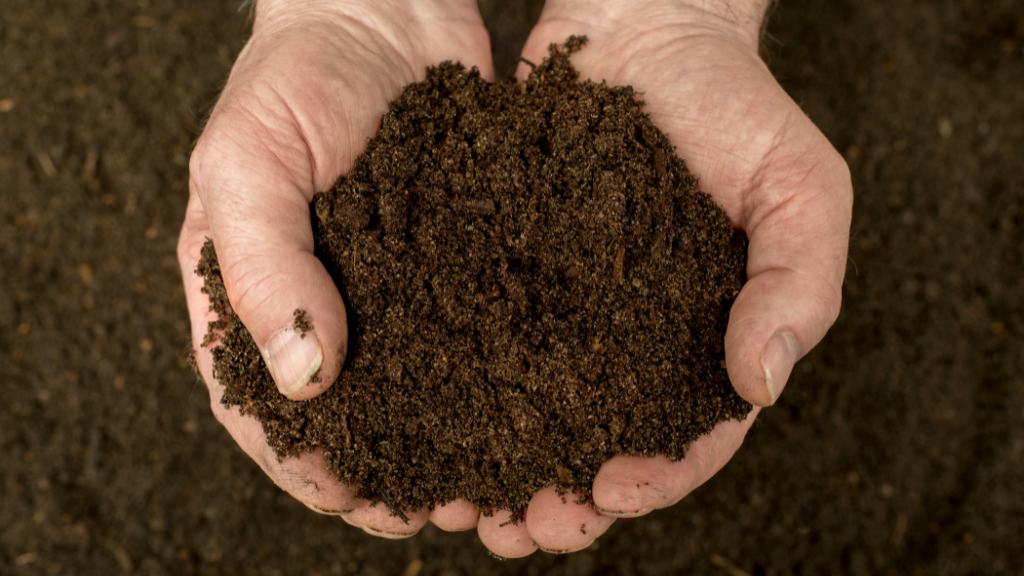
Compost is made from decomposed organic material like fruit and vegetable scraps, grass clippings, leaves, and coffee grounds. It’s dark in color, rich in nutrients, and fantastic for improving soil fertility.
4. Straw
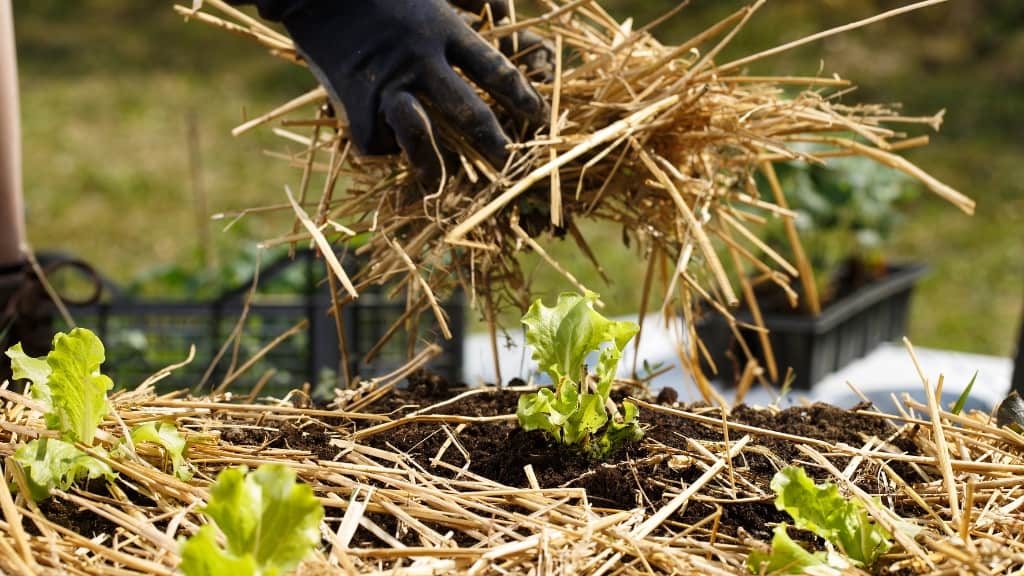
Straw mulch is a great choice for vegetable gardens. It’s effective at controlling weeds and retaining moisture, and it decomposes relatively quickly, adding organic matter to the soil.
Inorganic Mulches
Inorganic mulches are made from man-made materials or non-decomposable, naturally occurring materials. They don’t decompose or add nutrients to the soil, but they have other benefits.
1. Plastic or Landscape Fabric

Plastic mulch or landscape fabric is excellent for weed control. They block sunlight from reaching the soil, effectively preventing weed germination. These types of mulches are often used in vegetable gardens, beneath the soil surface.
2. Gravel and Stone
Gravel and stone mulches are excellent for areas that need good drainage or where you want a different aesthetic. They don’t break down, so you won’t need to replace them like you would organic mulches. They come in a variety of sizes, colors, and types.
3. Rubber Mulch
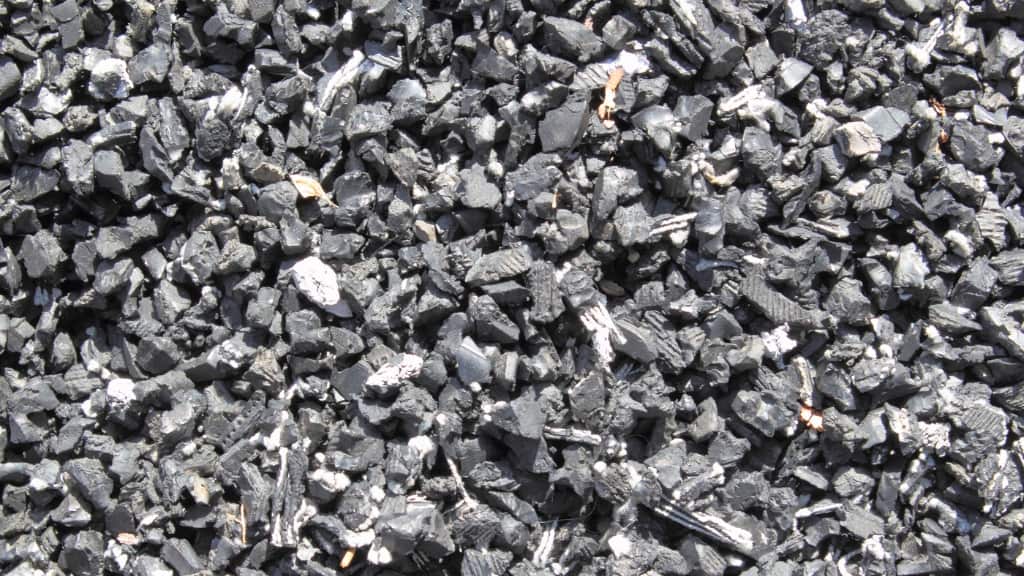
Rubber mulch is made from recycled tires. It’s durable and doesn’t decompose, making it a long-lasting choice. It’s often used in play areas or walkways because it provides good cushioning.
What Are Wood Chips?

Wood chips are made from scrap wood, from tree limbs and branches that have been chopped into small pieces. These wood chips can help control weeds and retain moisture in the soil.
Wood chips are more affordable than mulch and you can also use a decorative element in your garden. They can provide a natural-looking aesthetic and will usually last longer than mulch.
Varieties of Wood Chips

Just like mulch, there are different types of wood chips that you can use in your garden. Here’s an overview of some of the most popular varieties:
- Oak Wood Chips. This type of wood chip is best for areas that need protection from the sun and heat as it helps to keep the soil cool.
- Apple Wood Chips. This type of wood chip is great for areas with acidic soil, as it helps to add more acidity to the soil.
- Hickory Wood Chips. This type of wood chip is great for areas with dry soil, as it helps retain more moisture.
- Pecan Wood Chips. This type of wood chip is great for areas with poor drainage as it helps to absorb moisture and prevent waterlogging.
- Cherry Wood Chips. Using this specific type of wood chip is beneficial in regions with dense clay soil because it aids in the fragmentation of clay and enhances the drainage system.
Mulch vs Wood Chips: What’s the Difference?

When it comes to mulch vs. wood chips, there are a few key differences. Wood chips provide better weed control and are more affordable than mulch.
However, because of their size and composition, they don’t break down as quickly as mulch, which can lead to soil compaction.
Mulch is more nutrient-rich and provides additional insulation for the soil. It’s also easier to spread around your whole garden bed, making it a better choice if you’re looking for something that will break down quickly and provide long-term benefits.
Wood chips are also bulkier and bigger, so they may not be the best option if you’re looking for something to cover a large area. However, they are softer to the touch and can provide a more natural aesthetic.
Uses Of Mulch
You can use mulch to cover the soil around your plants, trees, and shrubs. It helps to retain moisture and serves as an additional layer of protection against weeds and pests.
Mulch can also serve as a decorative element in your garden. You can find mulch in various colors and textures to add visual interest to your outdoor space.
Uses Of Wood Chips
Wood chips are more commonly used as a ground cover in gardens and landscaping projects. They help to reduce weeds, retain moisture in the soil, and can be an attractive addition to your garden.
You can also use wood chips in pathways or walkways to provide an even surface and add texture to your outdoor space.
Lastly, wood chips can be used in planter boxes or raised beds to provide a drainage layer and help keep soil from becoming compacted. Your shrubs, trees, perennials, and vegetables will thank you for the additional protection.
Using Wood Chips as Mulch

Wood chips make an excellent choice for mulching, whether in the backyard, vegetable garden, or around trees and shrubs. They offer several benefits.
- Wood chips improve soil health by slowly decomposing, adding organic matter, and increasing the soil’s ability to retain moisture and nutrients. The slow decomposition also means less frequent mulching is required, saving time and resources.
- Their chunky nature can help suppress weed growth by blocking sunlight, reducing the need for frequent weeding or chemical weed killers. The coarse texture also allows for good air circulation, helping to prevent the growth of mold and fungi.
- Wood chips provide an aesthetic appeal, creating a rustic, natural look in your landscape.
To use wood chips as mulch, simply spread them around your plants to a depth of 2-4 inches. Avoid piling the chips directly against plant stems and tree trunks to prevent moisture buildup, which can lead to rot.
Combining Mulch and Chips
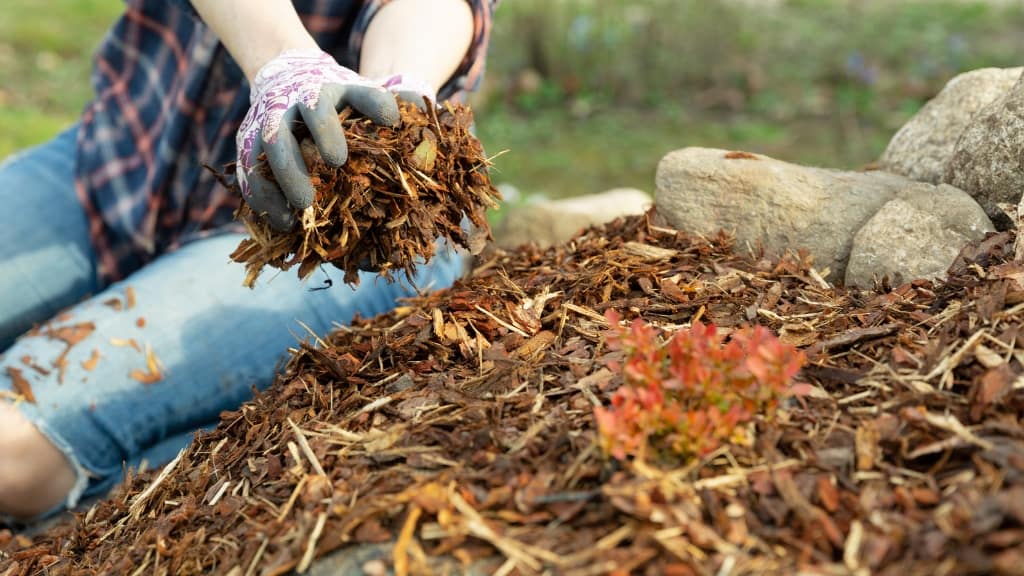
You can combine mulch and wood chips in your garden if you want a way to get the best of both worlds.
Both materials can help to retain moisture, reduce weeds and pests, and improve the soil quality overall look of your garden.
You can balance moisture retention, weed suppression, plant growth, and visual appeal by combining mulch and wood chips. This is an excellent way to add texture and color to your outdoor space without choosing between the two materials.
Here are a few tips when combining mulch and wood chips in your garden:
- Start by laying down a layer of mulch to a depth of 2-3 inches.
- Then, top it off with a layer of wood chips approximately 4-6 inches thick.
- Finally, use a rake to spread the wood chips and mulch evenly throughout your garden.
- Water regularly to ensure the mulch and wood chips hold moisture and stay in place.
You can easily combine mulch and wood chips to create an aesthetic and functional outdoor space. With the right combination of materials, you can enjoy all the benefits of mulch and wood chips in your garden.
Shredded Wood Mulch and Wood Chips: What’s the Difference?
Shredded wood mulch and wood chips are both excellent choices for landscaping and gardening, yet they serve different functions and are created differently.
Understanding these differences can help you choose the right one for your needs.
Shredded wood mulch is created by grinding up tree bark or wood into fine pieces. It has a fine texture and lays flat, providing a neat and uniform look in your garden. Its dense composition provides excellent weed control and retains moisture well, making it great for plant health. It also decomposes more quickly than wood chips, adding beneficial nutrients to the soil but requiring more frequent replenishment.
Wood chips, on the other hand, are larger, chunkier pieces often created as a byproduct of tree trimming or removal. They provide a more rustic look and are less likely to wash away in heavy rains due to their size and weight.
Wood chips decompose slowly, releasing nutrients over a more extended period and requiring less frequent replacement. They also provide good weed control and moisture retention but may not suppress weeds as effectively as shredded wood mulch due to their chunkier nature.
Bark Mulch and Wood Chips: What’s the Difference?
Bark mulch and wood chips, while both derived from trees, have distinct characteristics and uses in a garden setting.
Bark mulch is specifically made from the bark of trees, often pine, cedar, or cypress. The bark is shredded into fine, fibrous pieces that interlock well when spread, creating a firm, mat-like layer. This property makes bark mulch excellent at preventing soil erosion, controlling weeds, and retaining soil moisture. Furthermore, it has a rich, dark color that enhances the aesthetic appeal of garden beds.
Wood chips, however, are more coarsely cut and come from the whole tree, including bark, heartwood, and sapwood. Their larger size and irregular shapes allow for better airflow, reducing the chance of fungal diseases. While they’re not as visually uniform as bark mulch, their varied, natural look is preferred by some gardeners.
Wood chips are also more durable and decompose slower than bark mulch, offering long-lasting benefits to the soil.
Frequently Asked Questions
Can wood chips be used as mulch?
Yes, wood chips can be effectively used as mulch. They help in retaining soil moisture, suppressing weeds, improving soil health, and reducing erosion. Wood chips decompose more slowly than other types of mulch, which means they contribute nutrients to the soil over a longer period and require less frequent replacement.
Is mulch or wood chips better for my garden?
Both mulch and wood chips have their own benefits and the choice depends on your specific gardening needs. If you’re looking for a mulch that decomposes faster, thereby adding nutrients to the soil more quickly, shredded bark mulch might be a better option.
Wood chips, on the other hand, last longer and provide a more rustic aesthetic. They also offer good air circulation, reducing the risk of fungal diseases.
Do wood chips attract pests more than other types of mulch?
While it’s possible for any type of organic mulch to attract pests, wood chips don’t necessarily attract more pests than other types. Ensuring proper application, such as not piling wood chip mulch directly against plant stems or tree trunks, can help reduce the risk of pest problems.
If pests become an issue, consider seeking advice from a local extension service or pest control expert.
Final Thoughts
So, when it comes to mulch vs. wood chips, you’ll have to decide which is best for your garden or landscaping project based on your needs and budget. Both materials can provide benefits, but they are each suited to different purposes. Ultimately, the choice is up to you!

