
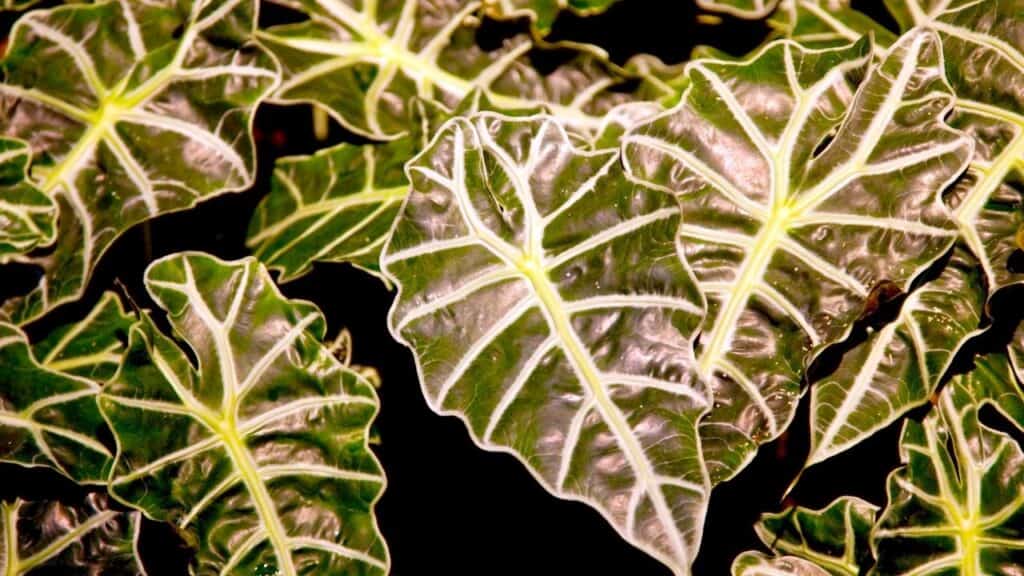
If you’re looking for an interesting, low-maintenance addition to your garden, Alocasia Polly is perfect! This unique plant is easy to grow and can thrive in a variety of conditions.
In this complete growing guide, we’ll teach you everything you need to know about Alocasia Polly care. Keep reading for more information!
About Alocacasi Polly
The Alocasia Polly, also known as Alocasia Amazonica or African Mask is an amazing plant to add to your jungle garden or centerpiece inside your home. Its deep green long heart-shaped leaves with those beautiful white veins are so mesmerizing that you can’t help being happy just by looking at them.
It is an easy plant if you know the basic care of the Alocasia Polly, which we will cover below.
Natural Habitat
The natural habitat of the Alocasia Polly is the tropics – warm and moist environment. The plant has thick stems where it stores water, and they love just enough moisture.

Alocasia Polly Plant Care
Light
Alocasia Polly loves light but not the sun, which can scorch its young leaves. It is best to put it in a bright place but away from the sun. Turning your plant every few days will also help your Alocasia Polly stay straight since plants tend to bend towards the sun. Doing this ensures that all sides of your plant will get enough light exposure.
Water
As a rule in planting, water only when the top inch of the potting mix is dry so as not to overwater. Depending on the location – cool or warm affecting the evaporation of water, watering the Alocasia Polly can be done weekly or every four days. The Alocasia Polly can die from root rot because of overwatering.
When watering, check first if the soil is dry, then water generously until water comes out of the pot holes. It would also be nice to lift the pot to feel the weight, then after a few days, when the pot is dry, lift it again to compare the weight.
The weight difference between a watered and dry pot can be your guide in watering your plant. You will know if your pot still has some moisture in it or if it’s time to water.
Letting it dry before watering will also let oxygen reach the plant roots. Again, water only when dry so as not to overwater but be careful not to leave it very dry for long. Inconsistent watering or underwatering can also affect the growth of the plant. One sign that your plant needs more water is that the roots will grow out of the potholes searching for moisture.
Soil
Since Alocasia Polly stores moisture in its stems and doesn’t rely on the soil for much moisture, choose a potting mix that drains well. Mix course materials in your potting mix or some perlite to make it well-draining. Check every few days; if it drains well, then you’re good. If not, repot with more perlite mixed or more coarse materials like bark or coco cubes.
It is also important to check the pot drainage to make it well-draining. Big holes will make it well-draining and keep your Alocasia Polly roots from rotting.
You can also raise your Alocasia Polly in leca. You do this by carefully removing the soil from the plant roots by hand and washing these parts so that there is very little or no soil left.
The soil in the roots may be a source of root rot when using leca. Clean enough clay balls for the pot you will use by washing and getting rid of the dirty water. After which, you put some leca at the bottom of the pot.
You do this so that your plant roots will not sit in water and rot. Next, put the plant on this leca bottom, then place some leca to hold the plant in place, then fill the pot with more clay balls. Water with enough water for the leca to absorb and feed moisture to the plant.
Fertilizer
The Alocasia Polly grows rapidly, and you can help it grow by giving it liquid fertilizer or fertilizer sticks every month during the growing seasons in spring and summer and once every quarter for the rest of the year.
When using fertilizer, always remember to read the instructions on the fertilizer package.
Yellow Leaves
When leaves start to yellow, it may be a sign of overwatering of dying leaves. The plant may get rid of old leaves to conserve energy for growing new leaves. If exposed to the sun, yellow leaves may signify sunburn.
Remove the yellow leaves and adjust the watering or location if you think it is caused by overwatering or exposure to the sun.
Dormancy
When the temperature drops, the Alocasia Polly starts to get dormant. It will drop its leaves and will stop growing altogether above ground. You still water the plant when the soil is dry and fertilize it less. It is still growing underground but does not need as much water and fertilizer.
Dormancy is normal for alocasias, and they will grow up again during the growing season.

How to Propagate
There are two ways to propagate the Alocasia Polly. First, through bulbs, and second, through plantlets. To do this, you have to pull the plant out and clean the roots to see where to remove the bulbs or plantlets.
Harvest the bulbs or plantlets carefully by hand. Be sure that these have some roots. Bulbs will grow slower, so it is better to let them grow to be plantlets before harvesting. It is more challenging to wait for the bulbs to sprout, so if you are impatient, it is better to wait for them to grow attached to the mother plant before harvesting.
Common Problems
The common problems of Alocasia Polly are sunburn, root rot from overwatering, bugs that destroy its beautiful leaves, and its toxicity to pets and humans when consumed.
The remedies are: keep the plant in a bright area but not directly under the sun; water only when dry; apply pesticide during the bug season and keep it away from pets and small children’s reach. When ingested by cats and dogs, consult your veterinarian.
Conclusion
Growing a beautiful Alocasia Polly is not difficult. Just remember to keep it away from the sun and too much watering. They thrive with minimum fertilizer and get dormant during the cold season. You propagate them through bulbs and plantlets. Keep your Alocasia away from pets and children.
Keeping it happy will also bring tremendous satisfaction and happiness to your gardener’s heart.
Happy planting!

