
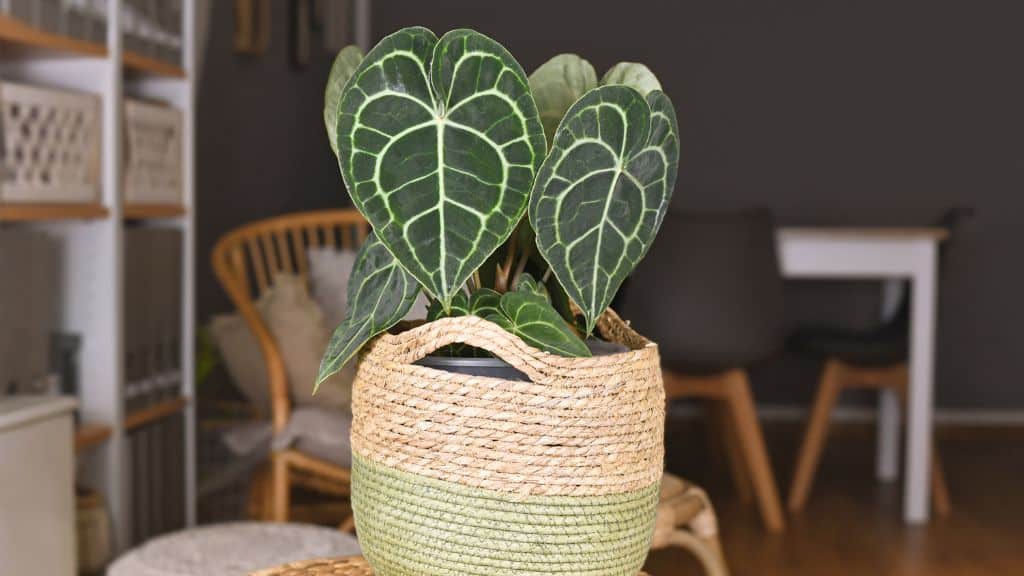
Ever seen a heart-shaped plant with velvety leaves? You might have met Anthurium Clarinervium, one of the most popular plants in the Anthurium family. It’s a stunning tropical houseplant that will brighten up any corner of your home.
With proper care, anthurium clarinervium can thrive indoors for years. But what exactly is an anthurium clarinervium? Where did this plant originate? And how can you take better care of this particular houseplant?
Introducing: The Anthurium Clarinervium
Anthurium clarinervium will mesmerize you with its striking appeal. It has a velvety dark green coloration and lobed heart-shaped leaves highlighted by white veins. It comes from the Aroid family.
The gorgeous leaves of this plant can reach up to 1 ft (30 cm) in width in its natural habitat. However, indoors, the Anthurium clarinervium will remain a bit smaller.
In its native environment, anthurium clarinervium grows in Chiapas, Mexico. Endemic to the humid rainforest, Anthurium thrives as an epiphyte and attaches to branches with its aerial roots. The humid atmosphere, regular rains, and the free-flowing air keep this plant hydrated. Moreover, it grows happily in temperatures that are also comfortable for us humans!
The anthurium clarinervium looks similar to its cousin, the Anthurium Andraeanum. The only difference between them is the shape of their leaves. The Andraeanum has a more arrow-shaped leaf, whereas the clarinervium is deeply lobed.

Caring and Growing Your Anthurium Clarinervium
Here’s how to provide the best care for your anthurium clarinervium:
Soil
These epiphytes demand outstanding drainage; orchid bark is the key to achieving it. Mix one part of orchid bark with two to three parts of a peat-based potting soil that you prefer. This combination creates optimal drainage for your plant and will help it thrive!
To ensure a perfect potting mix for your plants, add perlite to the equal parts of potting mix, orchid bark, and soil. This combination will make a delightful and chunky mixture that all plants adore!
Light
Avoid direct sunlight, as it can cause leaf burn or discoloration. Bright indirect light is best for anthurium clarinervium. You can also consider filtered sunlight to give the plant enough light and warmth. But, if you live in regions that experience shorter and gloomier days during the winter season, an exception applies.
During the warmer months, your plant will greatly benefit from direct sunlight. Consider positioning it by an Eastern facing window for some morning rays or outdoors in summertime. Just make sure to keep it out of the sun’s glare!

Watering
Your anthurium clarinervium needs regular and consistent watering to remain healthy and strong. With their roots frequently exposed, Anthuriums are epiphytes. They naturally grow on trees and branches. Although these exotic plants love to be soaked in the rain, they will usually quickly dry out because of this same trait.
To keep your plants healthy and thriving, water them thoroughly. But do not let any excess liquid sit in their saucer. If any residue remains after draining the rest of the water, discard it immediately. Otherwise, this could lead to root rot and an inevitable premature death for your houseplant.
Refrain from watering until the top one to two inches of potting mix are dry. To check for this, insert your finger into the soil.
When it comes to the potting mix, aim to keep most of it lightly moist. Let the top two inches dry out while keeping the remaining damp. Only water if there is moisture beneath. Wait until your plants need more, and check them regularly.

Fertilizer
For flourishing growth, nourish your plants every 4-6 weeks during the active growing season. This is when temperatures are higher and more frequent watering is needed. There’s no need to feed your anthurium clarinervium in the winter.
Use a balanced liquid fertilizer specifically designed for epiphytic orchids. Dissolve it in water at half-strength. This will help your plants to stay healthy and bloom brighter flowers year after year!

Temperature
This particular plant prefers temperatures ranging between 20ºC – 27ºC. You can also consider keeping your plants a few degrees lower at night. Refrain from placing it near open windows. Drafts will affect the temperature and cause significant damage to your anthurium clarinervium.
Humidity
Your anthurium clarinervium loves humid environments and are really best grown in a greenhouse. To cultivate indoors, a humidifier is an absolute must from October to April or May for ideal results. To maintain optimal air quality and comfort, keep the relative humidity at or above 40%. A range of 50-60% is ideal when spending time indoors.

Repotting
It is best to repot your anthurium clarinervium every 1 to 2 years during the springtime. Even if their pot size still suffices, replacing their soil with fresh ingredients is a good idea as some of its components may wear down over time.
Propagating
To spread your plant, wait until it is mature enough to have multiple stems. Dividing the roots during repotting will limit the plant’s stress. This will also increase its chances of survival and flourishing as each stem should already contain a root system.
Stem cuttings are an option for propagating plants. To do this, you can remove the top of a mature plant to re-root it. The bare stem on the original will yield new growth as well!
Some more ambitious aroid aficionados sometimes attempt to cultivate Anthurium clarinervium from seed. To do this, pollinate the flowers and be patient as the berries turn orange. It may take some time, but it will give you a sense of accomplishment once your hard work has paid off!

Other Tips to Care For Your Anthurium Clarinervium
Here are some other tips on how to look after your anthurium clarinervium:
- Avoid overwatering and underwatering
- Keep out of direct sunlight.
- Remember to prune away dead leaves.
- Don’t forget to fertilize.
- Regularly inspect the leaves and stems for pests. If you detect any plants containing an infestation, act fast to address the problem.
Final Thoughts
Anthurium clarinerviums are an incredibly unique houseplant that will bring life and color into your home. These tips can help you grow a healthy and vibrant anthurium clarinervium that will last for years! So, keep these tips in mind and share them with friends considering getting their first anthurium for their home. Good luck!

