

Hey there, plant lover! Trying to revive your dead air plants? They’re these cool, almost alien-like plants that don’t need soil to grow. They’ve been all the rage lately, popping up in trendy homes and offices around the globe.
But here’s the thing. Even though they’re known for being low maintenance, they can still kick the bucket. It’s a bummer, right? One day, your air plant is all vibrant and full of life, and the next, it’s looking a little…well, dead.
But don’t toss out your withered air plants just yet! We’ve got some good news for you. This article is going to be your lifeline, your guide, your step-by-step manual to bringing those dead air plants back to life. So, buckle up, because we’re about to dive deep into the world of air plant revival!
Understanding Air Plants

Air plants, or Tillandsias, are a bit of a marvel in the plant world. Why, you ask? Well, unlike most plants that draw nutrients from the soil, air plants get everything they need from—you guessed it—the air! They’re epiphytes, which means they grow on other plants or objects just for support, not for nutrients. Pretty neat, huh?
But here’s the catch. While they’re often touted as “easy-care” plants, they’re not invincible. They have their own set of needs, and if those aren’t met, they can end up on the wrong side of the compost pile.
Common Causes of Dead Air Plants
So, what exactly can send your air plants to an early grave? Let’s break it down:
- Lack of Proper Care: Air plants are low maintenance, not no maintenance. They still need some TLC! Neglecting them can lead to their demise.
- Insufficient Watering and Nutrients: Despite their name, air plants can’t survive on air alone. They need water and nutrients, too. Underwatering or overwatering can both be problematic.
- Environmental Factors: Air plants are tropical by nature. They love warm temperatures and high humidity. If your home is too dry or too cold, your air plants might struggle.
Remember, every plant has its pros and cons. Air plants might not need soil, but they still have specific care requirements. Understanding these can be the key to keeping your air plants alive and thriving!
Signs Your Air Plant is Dying

So, how do you know if your air plant is just having a bad day or if it’s knocking on death’s door? Here are some tell-tale signs your air plant might be in trouble:
- Color Changes: Healthy air plants usually have a vibrant green color. If your plant is turning brown, yellow, or black, it’s a sign something’s off.
- Leaf Curling: Air plants’ leaves should be open and somewhat spread out. If they’re curling inwards or looking shriveled, your plant might be dehydrated.
- Leaf Drop: It’s normal for air plants to shed a few leaves here and there, especially at the base. But if leaves are falling off left and right, it’s a red flag.
- Root Rot: If the base of your plant or the roots are turning black and mushy, it could be a sign of overwatering and root rot.
Remember, the key to saving a dying air plant is catching these signs early. The sooner you spot the problem, the better your chances of bringing your plant back from the brink. So keep a close eye on your leafy friends!
How to Revive Your Dead Air Plants: 7 Steps

Alright, now that we’ve identified the problem, let’s get to the solution. Here’s a step-by-step guide to bring your air plants back to life:
- Hydrate: Soak your air plant in a bowl of water for a few hours. This can help rehydrate a thirsty plant. Remember, the water should be room temperature, and you’ll need to shake off any excess water afterwards to prevent rot.
- Trim: Use a pair of clean, sharp scissors to trim off any dead or brown leaves. This not only improves the plant’s appearance but also helps it focus its energy on new growth.
- Air Out: After soaking, let your air plant dry out completely in a well-ventilated area. This can take a few hours, but it’s crucial to prevent rot.
- Feed: Consider using a fertilizer designed for air plants. This can provide the nutrients your plant needs to bounce back.
- Light: Place your air plant in a bright, indirect light. Too much direct sunlight can burn the plant, but too little light can weaken it.
- Monitor: Keep a close eye on your plant over the next few weeks. If it’s still looking sad, repeat the soaking process.
- Patience: Reviving a plant takes time. Don’t be discouraged if you don’t see immediate results.
Proper Watering Techniques
Watering air plants isn’t rocket science, but there are a few tricks to it. Here’s the lowdown:
- Soak, Don’t Spritz: While spritzing your air plant with a spray bottle might seem like a good idea, it often doesn’t provide enough water. Instead, soak your air plant in a bowl of room-temperature water for a few hours every week.
- Shake it Off: After soaking, give your plant a good shake to remove excess water. This helps prevent water from getting trapped and causing rot.
- Dry Out: Let your plant dry out completely in a well-ventilated area before putting it back in its usual spot. This is crucial to prevent rot.
Remember, hydration is key to air plant health. But like with everything in life, balance is important. Too little water and your plant dries out; too much and you risk rot.
Trimming and Care
When it comes to air plant care, a little grooming can go a long way. Here’s what you need to know:
- Trimming: Use a pair of clean, sharp scissors to trim off any dead or brown leaves. This not only improves the plant’s appearance but also helps it focus its energy on new growth.
- Bathing: Yes, you read that right! Bathing your air plant (aka soaking it in water) is a crucial part of care. Just make sure to let it dry out completely afterwards.
- Feeding: Consider using a fertilizer designed for air plants. This can provide the nutrients your plant needs to bounce back.
Regular care is the secret to preventing future plant deaths. By keeping a close eye on your plant and addressing any issues promptly, you can keep your air plant healthy and happy.
Preventing Future Air Plant Deaths
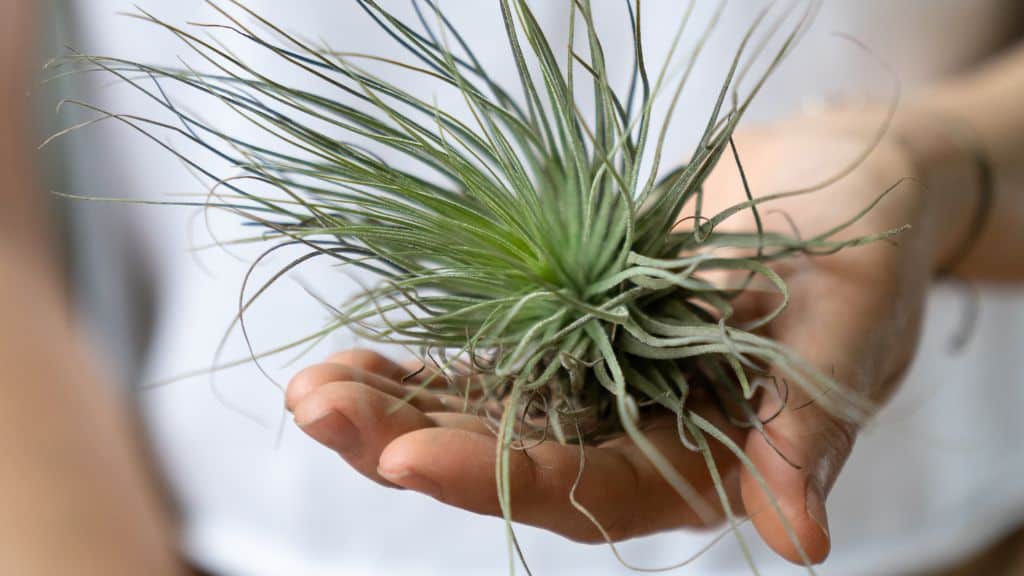
Prevention, as they say, is better than cure. So, how can you prevent your air plants from dying in the future? Here are some tips:
- Consistent Care: Regular care is key. Make sure to water, feed, and groom your air plants as needed.
- Right Environment: Remember, air plants are tropical. They love warm temperatures and high humidity. Try to mimic their natural environment as much as possible.
- Monitor: Keep a close eye on your plants. If you notice any changes in color, leaf condition, or overall health, address it promptly.
- Learn: Every plant is unique. Learn from your past experiences and adjust your care routine as needed.
Remember, regular care and monitoring are crucial to keeping your air plants healthy. By staying vigilant and addressing any issues promptly, you can prevent future plant deaths and keep your air plants thriving.
Frequently Asked Questions
-
How do you know if air plants are dead?
If your air plants are drooping, discolored, or shriveled, they may require special attention. These signs could indicate that your air plant is in the process of dying.
-
How do you fix a dead air plant?
The first step to reviving a dead air plant is soaking it in water for about 6-8 hours. After the soak, shake off any extra water and let the plant dry for about 4 hours in a bright spot. Dampness is the main enemy of any air plant.
-
Why has my air plant died?
If your air plant isn’t looking its best, especially if it’s shriveled or brown, there’s a good chance that the plant is extremely thirsty. Spritzing usually doesn’t provide enough moisture to keep the plant healthy and hydrated.
-
Should you remove dead leaves from air plants?
As the air plant grows older, it will naturally produce leaves that die off and turn brown. Removing these leaves should be done with care as there may be pups (offsets) growing from the base of the leaf.
-
Can dead air plants be revived?
In most cases, air plants are not truly dead, but instead in the process of dying. This means that with a little TLC, your air plant can perk back up and even begin to thrive!
-
How often should you soak air plants?
On average, you should soak your air plant for 20 minutes once a week. If you live in a hot and humid climate, you may need to soak your air plant more often, as the plant will dry out more quickly. If you live in a drier climate, you may need to soak your air plant less often.
Conclusion
Remember, air plants are unique in their care requirements, but with a little knowledge and a lot of love, you can bring them back from the brink.
From recognizing the signs of a dying plant to understanding the importance of proper watering and trimming, every step is crucial in the journey to revive your air plants. And let’s not forget about prevention. With regular care and monitoring, you can ensure your air plants stay healthy and vibrant for years to come.
So, don’t be disheartened if your air plant is looking a little under the weather. With these tips and tricks, you’re well-equipped to breathe new life into your leafy friends. Happy gardening!

