

Ever noticed a funky smell coming from your garden soil? Or perhaps your plants aren’t thriving as they should?
You might be dealing with anaerobic soil. But don’t worry, we’ve got you covered. Understanding and fixing anaerobic soil is crucial for a healthy, happy garden. Let’s dive in!
Understanding Anaerobic Soil
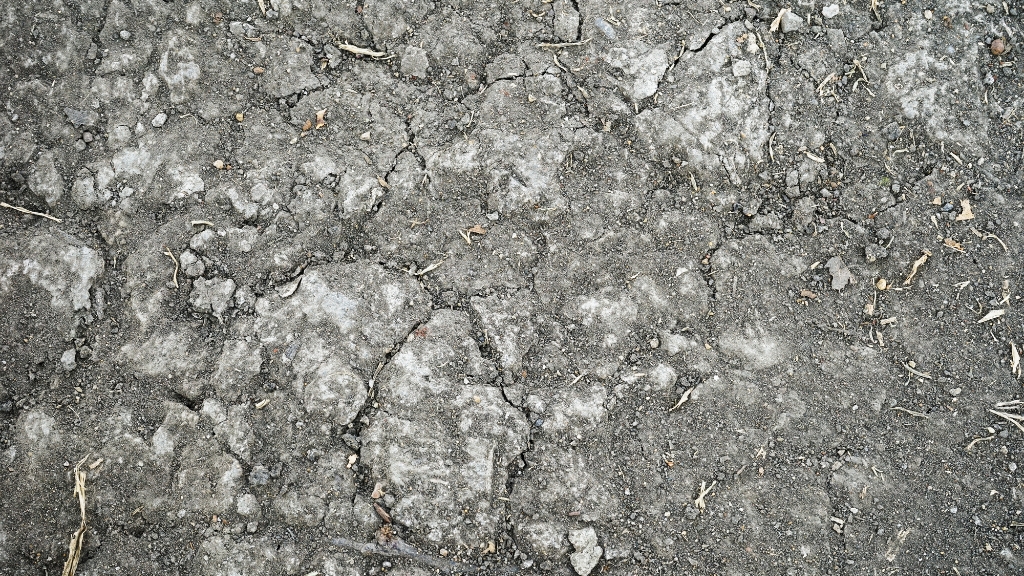
What is Anaerobic Soil?
Anaerobic soil is like that party guest who overstays their welcome. It’s soil that has too much water and not enough oxygen. This imbalance can lead to a host of problems for your plants, from stunted growth to disease. But how can you tell if your soil has gone anaerobic? Let’s find out.
Identifying Anaerobic Soil
Anaerobic soil has a few tell-tale signs.
Color: First, take a look at the color. Healthy soil tends to be a rich, dark brown. Anaerobic soil? It’s often gray or black.
Texture: Next, feel the texture. Anaerobic soil is usually dense and heavy, kind of like clay.
Smell: Now, take a whiff. Yes, really! Healthy soil has a fresh, earthy smell. Anaerobic soil, on the other hand, has a sour or rotten smell.
Absence of soil organisms: Finally, check for critters. Healthy soil is teeming with life, from earthworms to microscopic organisms. If your soil is lacking these little helpers, it might be anaerobic.
Remember, your garden is a living, breathing ecosystem. Understanding your soil is the first step to creating a thriving environment for your plants. So, grab your gardening gloves, and let’s get to work!
Why Does Anaerobic Soil Stink?
Ever wondered why that soggy patch in your garden smells like rotten eggs? Here’s the scoop:
- Lack of Oxygen: When soil is waterlogged, oxygen can’t circulate properly. This creates an environment where only certain microorganisms can survive – the kind that produce smelly gases.
- Excessive Water: Overwatering your garden can lead to waterlogged soil. This not only drowns your plants but also creates a breeding ground for anaerobic bacteria. These bacteria produce gases like methane and hydrogen sulfide – the culprits behind that stinky smell.
- Too Much Nitrogen: Nitrogen is great for plants, but too much of it can lead to an overgrowth of anaerobic bacteria. These bacteria break down the nitrogen, releasing ammonia in the process. And as you might guess, ammonia doesn’t smell too pleasant.
- Production of Biogas: When anaerobic bacteria break down organic matter, they produce biogas. This gas contains methane, carbon dioxide, and other smelly compounds.
The 7 Proven Steps to Fix Anaerobic Soil
Ready to banish that stink and bring your soil back to life? Here are seven steps to fix anaerobic soil:
Step 1: Turn the Compost
Turning your compost helps introduce oxygen back into the soil. This encourages the growth of aerobic bacteria, which don’t produce smelly gases. Plus, it helps speed up the composting process!
Step 2: Add Carbon
Adding carbon-rich materials like leaves, straw, or wood chips can help balance out excess nitrogen. This reduces the number of anaerobic bacteria and helps eliminate that rotten smell.
Step 3: Add Soil Amendments
Soil amendments like compost, peat moss, or gypsum can improve soil structure, making it easier for oxygen to circulate. They also add beneficial nutrients to the soil, giving your plants a boost.
Step 4: Reduce Watering
Overwatering is a common cause of anaerobic soil. Try reducing your watering schedule and see if the smell improves. Remember, it’s better to water deeply and less frequently than to give your plants a little water every day.
Step 5: Break Up Barrier Layers
Barrier layers, like hardpan or clay, can prevent water from draining properly, leading to waterlogged, anaerobic conditions. Breaking up these layers can improve drainage and oxygen circulation. You can do this by:
- Using a garden fork or broadfork to manually break up the soil.
- Adding organic matter or sand to improve soil structure.
Step 6: Lower the Water Table
If your garden is constantly waterlogged, you might need to lower the water table. This can be a big job, but it’s worth it for healthier soil. Here’s how:
- Install a drainage system, like French drains or a sump pump.
- Plant water-loving plants to help absorb excess moisture.
Step 7: Redirect Water to Ponds and Swales
Redirecting excess water can help prevent waterlogging and anaerobic conditions. Consider creating a rain garden, pond, or swale to catch and hold water. This not only solves your waterlogging problem but also creates a beautiful feature in your garden!
Remember, fixing anaerobic soil is a process. It might take some time to see results, but don’t give up! Your plants – and your nose – will thank you.
Common Locations of Anaerobic Soil
Anaerobic soil isn’t picky about where it sets up shop. You can find it in a variety of places, but it’s most common in:
- Low-lying areas: These spots tend to collect water, making them prime real estate for anaerobic conditions.
- Overwatered gardens: If you’re a bit too generous with the watering can, you might end up with anaerobic soil.
- Heavy clay soils: Clay soils are dense and slow-draining, which can lead to waterlogging and anaerobic conditions.
- Compacted soils: Over time, soil can become compacted, especially in high-traffic areas. This makes it hard for water to drain and for oxygen to circulate.
Can You Really Fix Anaerobic Compost?
You bet you can! It’s a common misconception that once your compost has gone anaerobic, it’s a lost cause. But with a little bit of effort, you can bring it back to life. Here’s how:
- Turn it: Regularly turning your compost pile can reintroduce oxygen, helping to shift the balance back to aerobic conditions.
- Balance it: Make sure your compost has a good balance of green (nitrogen-rich) and brown (carbon-rich) materials. Too much green can lead to anaerobic conditions.
- Cover it: A compost pile that’s too wet can go anaerobic. Covering your pile can help protect it from excess rain.

Frequently Asked Questions
How do you change anaerobic soil?
Changing anaerobic soil involves a few key steps. First, you need to turn the compost regularly to introduce oxygen and break up compacted soil. Adding carbon-rich materials like straw or dried leaves can also help balance out the nitrogen in the soil. Other methods include adding soil amendments like compost or aged manure, reducing watering to prevent waterlogging, breaking up any barrier layers like hardpan that prevent proper drainage, and even redirecting water to ponds or swales if the issue is a high water table. Remember, the goal is to create an environment where aerobic bacteria can thrive and outcompete the anaerobic bacteria that cause the problems associated with anaerobic soil.
What happens when soil goes anaerobic?
When soil goes anaerobic, it means that the soil is lacking oxygen. This can happen due to overwatering, compacted soil, or a high water table. In these conditions, anaerobic bacteria begin to dominate, breaking down organic matter in the soil without the presence of oxygen. This process results in the production of gases like methane and hydrogen sulfide, which can give the soil a foul smell. Moreover, plant roots need oxygen to function properly, so they can start to suffer in anaerobic conditions, leading to poor plant health or even plant death.
What causes anaerobic soil?
Anaerobic soil conditions result from a lack of oxygen in the soil. This can be caused by overwatering, poor drainage, compacted soil, or a high water table. In these conditions, the oxygen in the soil is quickly used up and not easily replaced, leading to an environment where anaerobic bacteria can thrive.
What to do if compost is anaerobic?
If your compost has become anaerobic, it’s important to reintroduce oxygen to the pile. This can be done by turning the compost regularly. You can also add carbon-rich materials to balance out the nitrogen in the compost and absorb excess moisture. If the compost is very wet, you might need to add a lot of dry, brown material like straw or dried leaves. It’s also a good idea to check that your compost isn’t too compacted, as this can prevent air from circulating properly. Finally, remember to avoid overwatering your compost pile in the future to prevent it from becoming anaerobic again.
What are the symptoms of anaerobic soil?
Symptoms of anaerobic soil can include a foul smell, often described as rotten eggs, due to the production of gases like hydrogen sulfide by anaerobic bacteria. The soil may also have a slimy texture and a grey or black color, rather than the rich brown color of healthy, aerobic soil. Plant growth in anaerobic soil is often poor, as the roots need oxygen to function properly.
Can anaerobic bacteria decompose?
Yes, anaerobic bacteria can decompose organic matter in the absence of oxygen. This process, known as anaerobic digestion, takes place in a sealed environment and results in the production of biogas (a mixture of methane, carbon dioxide, and other gases) and digestate (the solid and liquid residues). While anaerobic digestion is slower than aerobic decomposition, it is a key process in many industrial applications, such as the production of biogas for energy.
Conclusion
We’ve learned what anaerobic soil is, why it stinks, and how to fix it. We’ve also busted some myths about anaerobic compost and learned where anaerobic soil is commonly found.
Remember, fixing anaerobic soil might take some time and effort, but it’s totally doable. And the rewards – healthier soil, happier plants, and a more pleasant-smelling garden – are well worth it. So roll up your sleeves, grab your garden fork, and get to it! Happy gardening, friends!

