

These mosquito repellent plants are sure to drive those mosquitos away!
Don’t you just hate mosquitos? I do!
All they do is buzz around, drink blood and bring about itchiness. Not only that but they also carry diseases.
I hated mosquitos so much that I got myself a bug zapper! Loved it so much that the first thing I do in the morning and the last thing I do at night is zap mosquitos. Pretty handy, if you ask me.
It’s great at killing mosquitos but the problem is was that I couldn’t get rid of all the mosquitos. I’d kill mosquitos in a day but the next day, there’s a new batch. It just never stops.
That’s when I finally got myself mosquito repellent plants that actually keep mosquitos away and now, I’m sharing them with you too!
Here are mosquito repellent plants you’ll love to have in your home!
Citronella
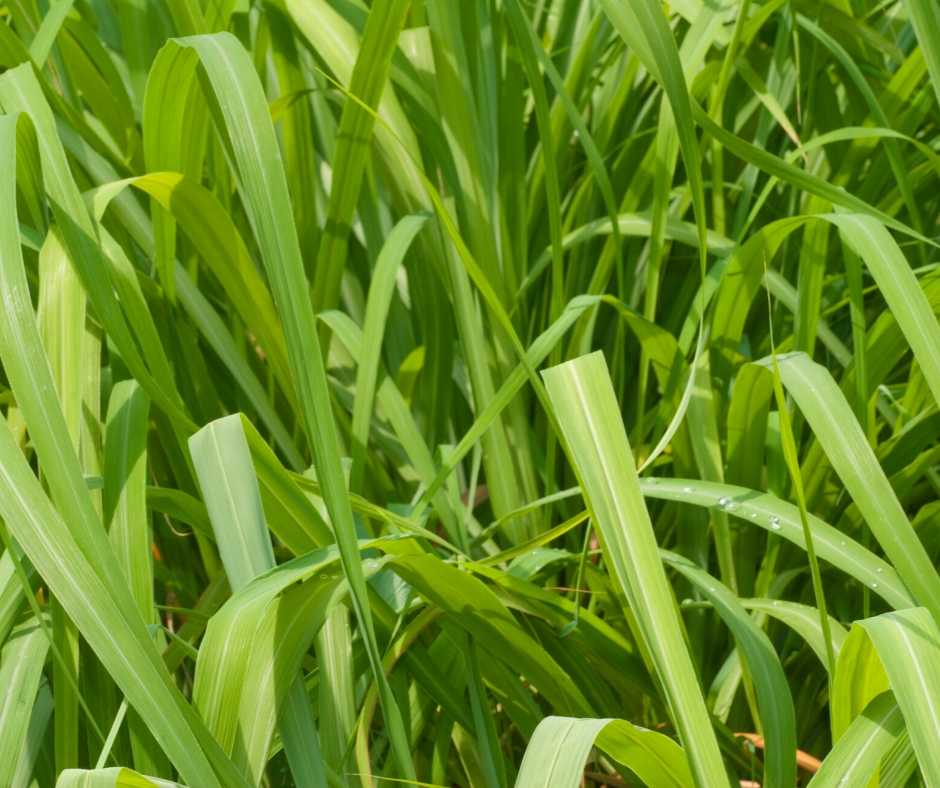
- First on our list of mosquito repellent plants is citronella. It is popular in creating candles and perfumes. Its aroma is really pleasant and perfect for making your home naturally smell amazing!
- Aside from mosquitos, it can also repel flies.
- It repels mosquitos by masking carbon dioxide with its fragrance. Mosquitos located their prey via carbon dioxide and with the citronella, their senses get confused.
- It thrives with adequate sunlight. It can tolerate full sunlight but prefers a slightly shaded area.
- It requires deep, infrequent waterings. Make sure you plant it in well-draining soil to avoid poor health.
- It is toxic to pets so make sure they don’t have access to any citronella plants in the house.
Lavender
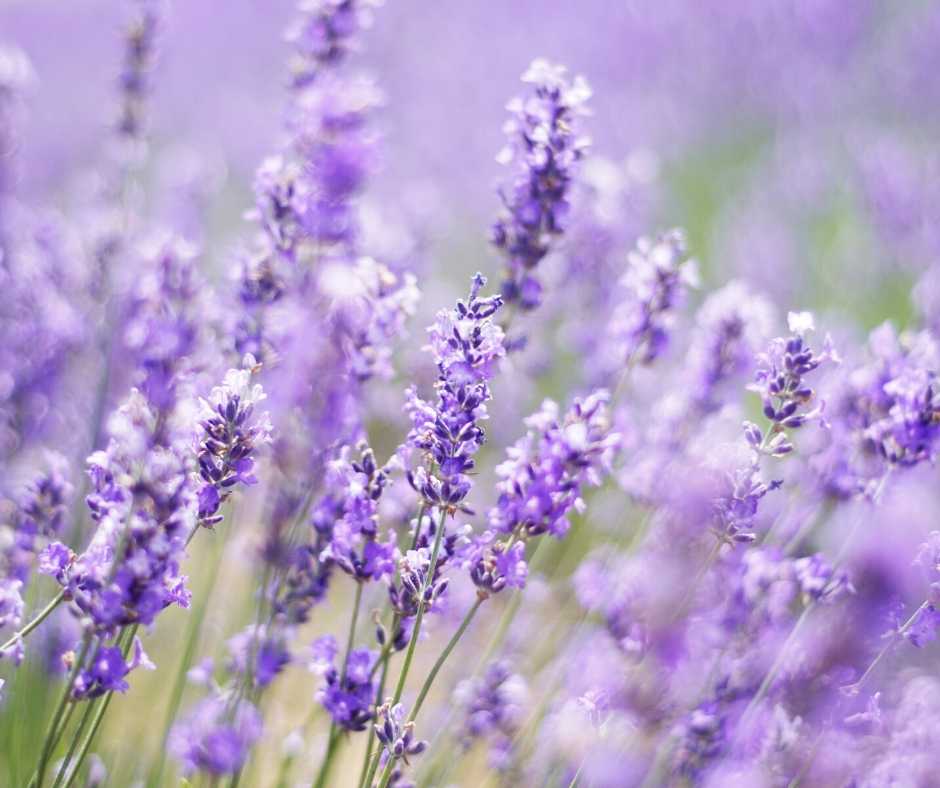
- Lavender has an amazing heavenly scent but did you know that mosquitos can’t stand its smell?
- Aside from mosquitos, it can also repel flies and rabbits.
- It thrives in full sunlight but can also tolerate shade.
- After planting, lavender requires watering once or twice a week. As for mature plants, every two to three weeks of watering will suffice.
- It is not toxic to pets but it can be dangerous when ingested.
Peppermint
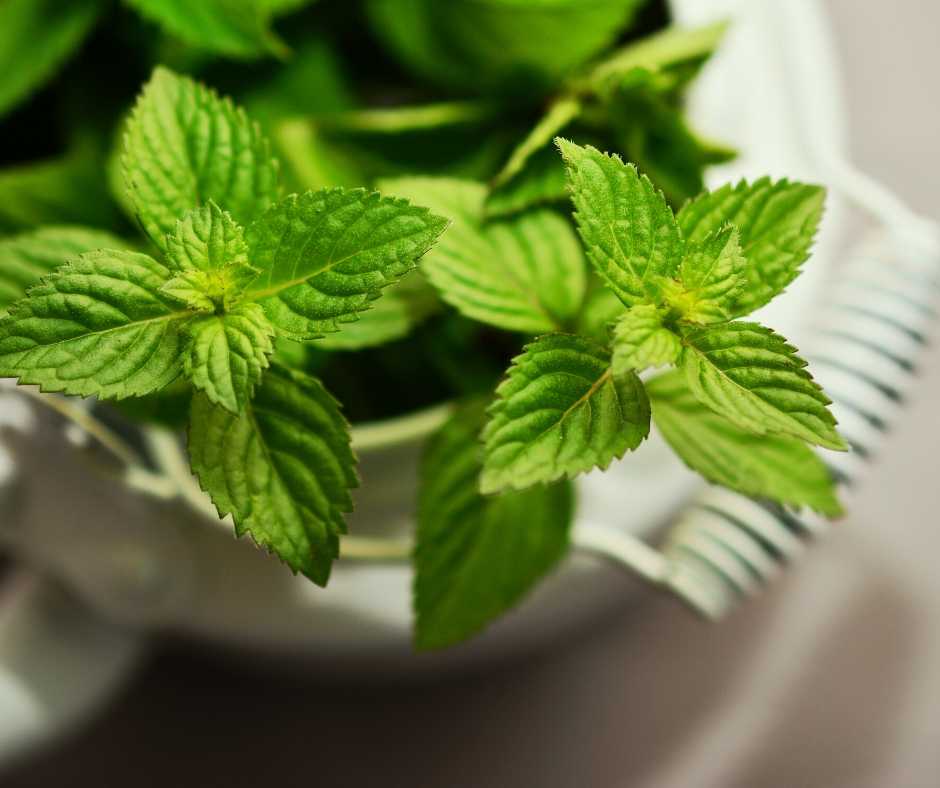
- Peppermints have a strong fragrance that can keep mosquitos away.
- Aside from mosquitos, it can also repel rodents and spiders.
- When bitten by a mosquito, you can rub peppermint leaves at the bitten area for itch relief.
- It thrives in full sunlight and damp soil.
- It requires at least 1 to 2 inches of water per week but make sure not to water on top of the plants
- It is non-toxic to dogs and cats.
Rosemary
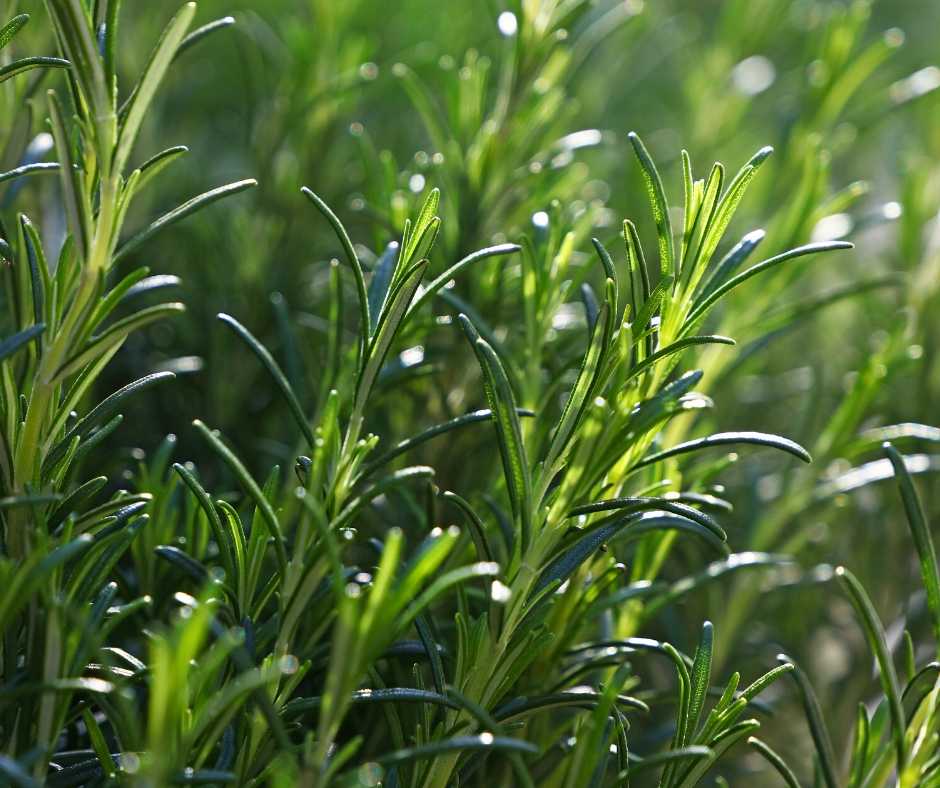
- The rosemary herb is a great plant to have around if you love cooking. It’s a popular seasoning for flavoring dishes. It also has great benefits for hair and skin when used as oil.
- It has a pungent smell that repels mosquitos.
- Aside from mosquitos, it can also repel flies, vegetable bugs, and cabbage moths.
- It thrives in full sunlight and well-drained soil.
- If placed indoors, water once every two weeks. Outside, it requires little watering other than the rain.
- It is non-toxic to dogs and cats but it can cause an upset stomach once ingested.
Marigold
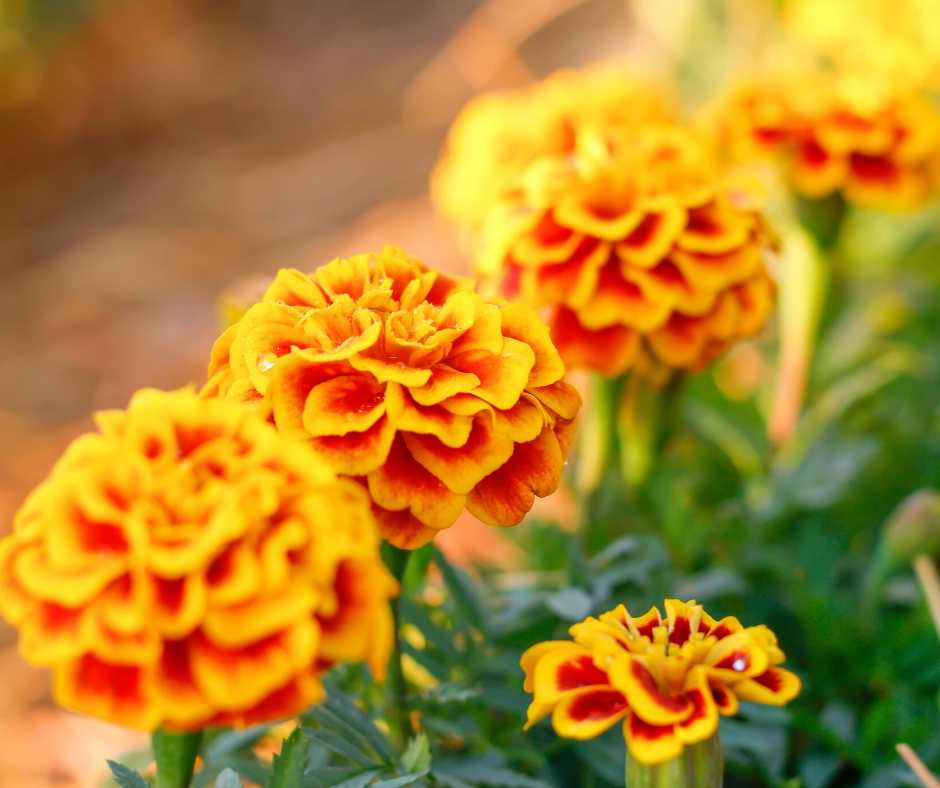
- The marigold is a beautiful flower that has a pleasing smell for us humans but is not liked by mosquitos. These are annual flowers and self-sowing so all you have to do is collect seed heads and spread them.
- Aside from mosquitos, it can also repel aphids, nematodes, deer, and rabbits.
- It thrives in full sunlight so plant them in areas where it can get good sunlight.
- Keep the soil moist and water very lightly once in the morning and another in the afternoon.
- Some marigold species are not considered toxic. If you want to grow marigolds and have pets, choose to plant the pot marigold, also known as calendula, ruddles, Mary bud, gold bloom, common marigold, or Scotch marigold. These are the pretty, non-toxic member of the marigold family.
Catnip
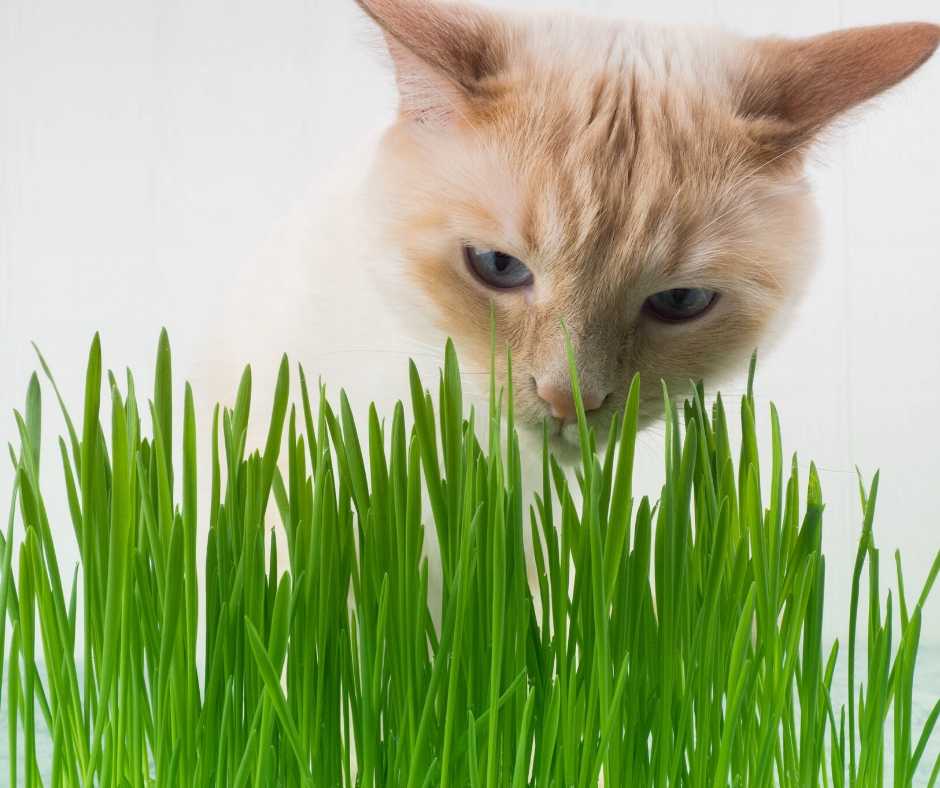
- The catnip is related to mint plants. From its name alone, you will know that cats love this plant, but mosquitos hate it. The chemical, nepetalactone, that it contains attracts cats and repels mosquitos.
- Aside from mosquitos, it can also repel flies, termites, cockroaches, and other bugs.
- This is easy to care for and grows easily. It thrives in full sun or partial shade.
- It needs well-drained soil. Young plants need watering twice a week while a well-established plant only needs watering every other week.
- Cats love to munch on this plant. It’s also not toxic to dogs so feel free to grow this plant if you have pets.
Basil
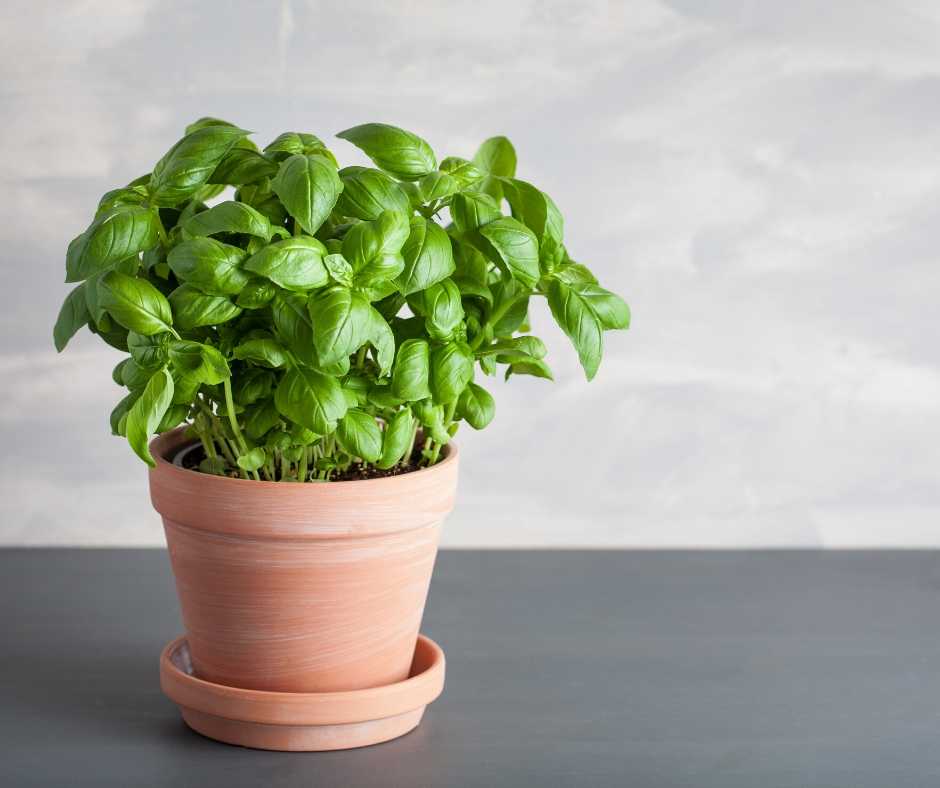
- You probably know basil as an ingredient in pasta sauces and tasty salads, but did you know that they’re also great for keeping away mosquitos? It’s even toxic to mosquito larvae.
- Aside from mosquitos, it can also repel flies.
- This is easy to care for and grows easily. It thrives in full sun or partial shade.
- It needs well-drained soil. Water it every day and water it deeply at least once a week.
- Basil can be used as a treat to dogs but giving them an excessive amount can cause stomach upsets, vomiting, and diarrhea. It’s also not toxic to cats.
Garlic
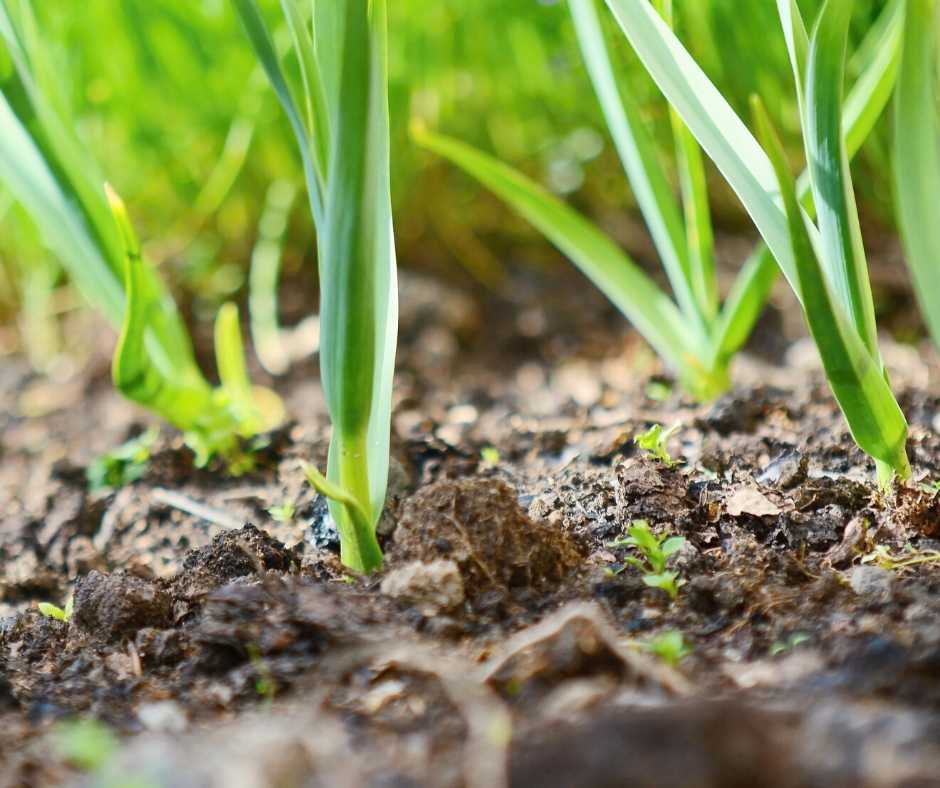
- Garlic is perfect for giving dishes a rich flavor but it’s also a mosquito repellent when planted.
- Aside from mosquitos, it can also repel aphids and ants.
- It thrives in full sun.
- It grows in well-drained soil. Water it every day and water it deeply at least once a week.
- When ingested, garlic can be toxic to both cats and dogs.
Lemongrass
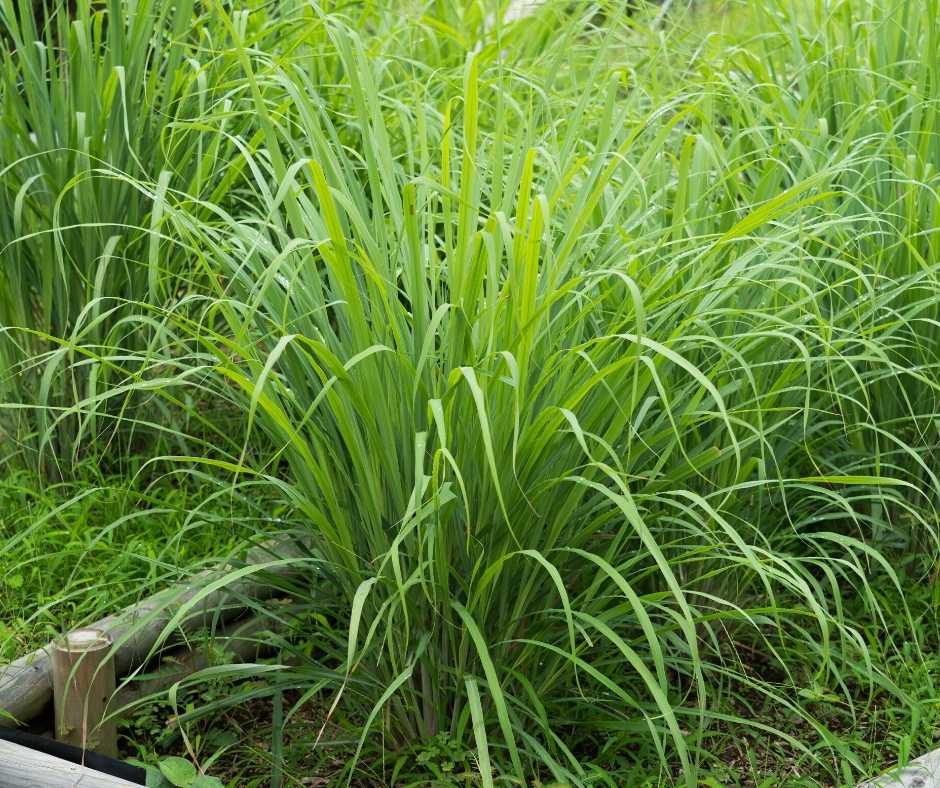
- Also known as lemon verbena, the lemongrass contains a high level of citral which is used in mosquito repellents. However, pregnant women and new moms should stay away from this plant as it is shown to cause birth defects.
- Aside from mosquitos, it can also repel flies.
- It thrives in full sun.
- It grows in well-drained soil. Water it frequently.
- Lemongrass is non-toxic to both cats and dogs.
Sage
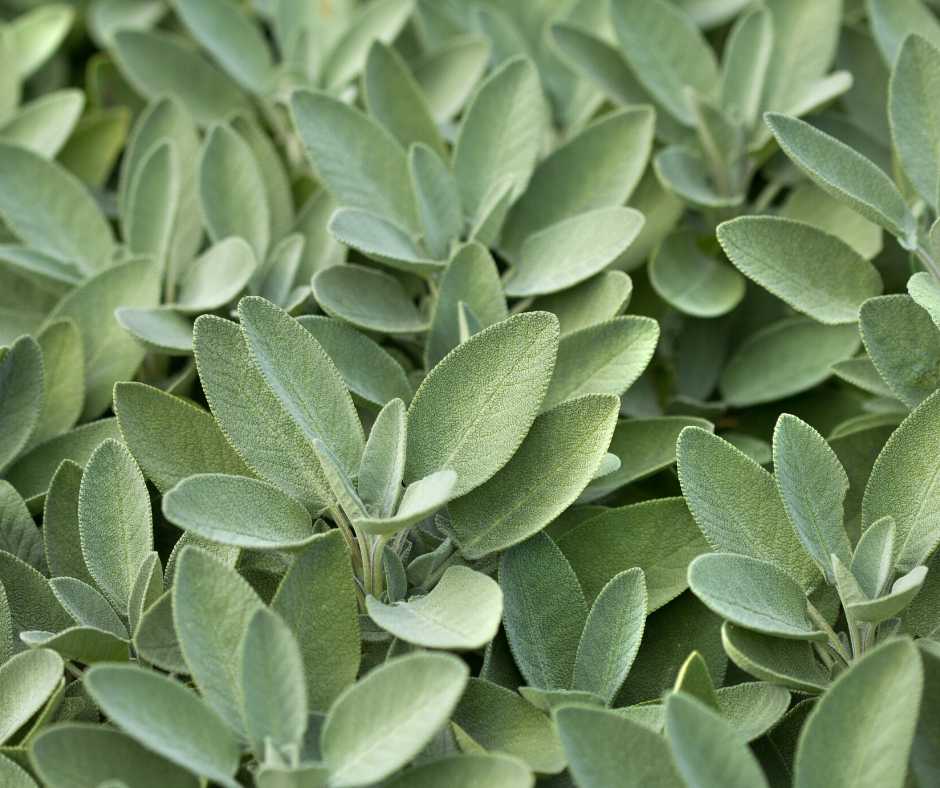
- Also known as stinkbush and bitterbos, sage is a natural mosquito repellent. A lot of people make incense out of it and burned in certain rituals.
- Aside from mosquitos, it can also repel ticks.
- It thrives in full sun.
- It grows in well-drained soil. Water it every week or two. But for the first few weeks, water it once or twice per week.
- It is non-toxic to both cats and dogs.
Which of the mosquito repellent plants listed above are your favorites? Do you already have these planted in your backyard? Which one do you want to have in your home?

