

Hey there, plant lovers! Ever noticed how peace lilies can brighten up any room with their lush, green leaves and elegant white flowers? They’re a favorite among houseplants for a reason! But what happens when those vibrant leaves start turning brown? It’s a bummer, right?
Don’t worry, you’re not alone in this. Brown leaves on peace lilies are a common issue that many plant parents face. But guess what? It’s usually a sign that your plant is trying to tell you something. And with a little bit of plant detective work, we can figure out what’s going wrong and how to fix it.
So, let’s roll up our sleeves and dive into the world of peace lilies. Together, we’ll uncover the mystery behind those pesky brown leaves and learn how to keep our green friends happy and healthy. Ready? Let’s get started!
Understanding Peace Lily Brown Leaves

Ever wondered why peace lily leaves might turn brown? It’s like a plant’s SOS signal, and it can be caused by a variety of factors. Let’s break down some of the main culprits, shall we?
1. Overwatering and Underwatering
Like Goldilocks, peace lilies prefer their water “just right.” Too much or too little, and you’ll start seeing brown leaves.
- Overwatering: This can lead to root rot, which blocks the roots from absorbing nutrients. The result? Brown leaves.
- Underwatering: On the flip side, underwatering can cause your plant to dehydrate and the leaves to dry out and turn brown.
Pro Tip: Keep the soil moist, but not soggy. If the top inch of soil is dry, it’s time to water your peace lily.
2. Improper Light Conditions
Peace lilies are a bit like vampires – they don’t like direct sunlight. Too much light can scorch their leaves, causing them to turn brown.
- Pro Tip: Place your peace lily in a spot with bright, indirect light. If you notice the leaves turning yellow before browning, it might be getting too much light.
3. Quality of Water
Did you know that the type of water you use can affect your peace lily? Tap water often contains chlorine, which can cause leaf burn.
- Pro Tip: Use filtered or distilled water for your peace lily. If you only have tap water, let it sit overnight before using it to allow the chlorine to evaporate.
4. Incorrect Temperature and Humidity
Peace lilies love warm and humid conditions. If the air is too dry or the temperature too cold, the leaves can turn brown.
- Pro Tip: Keep your peace lily in a room with a temperature above 60°F and try to maintain high humidity levels. A pebble tray or a humidifier can help!
5. Fertilizer Issues
Fertilizer is like vitamins for plants. But too much of a good thing can lead to fertilizer burn, causing the leaf tips to turn brown.
- Pro Tip: Fertilize your peace lily only during the growing season (spring and summer), and always follow the package instructions.
6. Pest Infestation and Diseases
Pests like spider mites and diseases like root rot can cause brown leaves on your peace lily.
- Pro Tip: Regularly check your plant for pests and signs of disease. If you spot any, treat them immediately with appropriate pest control or fungicides.
7. Natural Aging Process
Finally, remember that it’s natural for older leaves to turn yellow, then brown as they age. It’s just part of the plant’s life cycle!
- Pro Tip: If only the lower leaves are turning brown and the plant otherwise looks healthy, it’s likely just natural aging. Simply trim off the brown leaves to keep your plant looking its best.
Solutions to Fix Peace Lily Brown Leaves
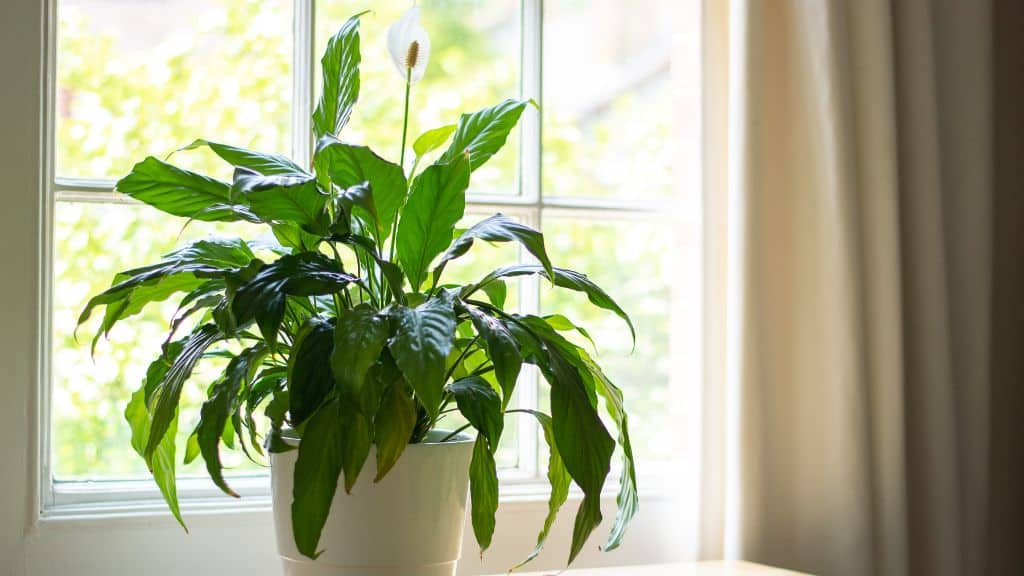
Alright, now that we’ve identified the possible causes of brown leaves, let’s dive into the solutions. Remember, every peace lily is unique, so what works for one might not work for another. But don’t worry, we’ve got plenty of solutions to try!
Fixing Overwatering and Underwatering
If you suspect your peace lily is suffering from water issues, here’s what you can do:
- Overwatering: Allow the soil to dry out before watering again. If the plant doesn’t improve, you might need to repot it in fresh soil to get rid of any rotting roots.
- Underwatering: Increase your watering frequency, but be careful not to overdo it. Remember, the goal is to keep the soil consistently moist.
Adjusting Light Conditions
If your peace lily is getting too much light, simply move it to a location with bright, indirect light. Remember, peace lilies can tolerate low light, but they can’t handle direct sunlight.
Improving Water Quality
If you’ve been using tap water, try switching to filtered or distilled water. Alternatively, you can leave tap water out overnight to allow the chlorine to evaporate before watering your plant.
Regulating Temperature and Humidity
If your peace lily is in a cold or dry environment, try moving it to a warmer location and increasing the humidity. You can do this by placing a tray with water and pebbles beneath the plant or using a humidifier.
Adjusting Fertilizer Use
If you suspect fertilizer burn, stop fertilizing and flush the soil with plenty of water to wash away excess fertilizer. When you resume fertilizing, be sure to follow the package instructions carefully.
Treating Pests and Diseases
If your peace lily is infested with pests or diseases, you’ll need to treat it with the appropriate pest control or fungicide. Be sure to isolate the plant from others to prevent the issue from spreading.
Understanding the Aging Process
If the browning is due to natural aging, simply trim off the brown leaves at the base. This will not only improve the appearance of your plant but also allow it to direct energy to new growth.
General Peace Lily Care Tips
Finally, remember that the best way to prevent brown leaves is to provide your peace lily with the right care:
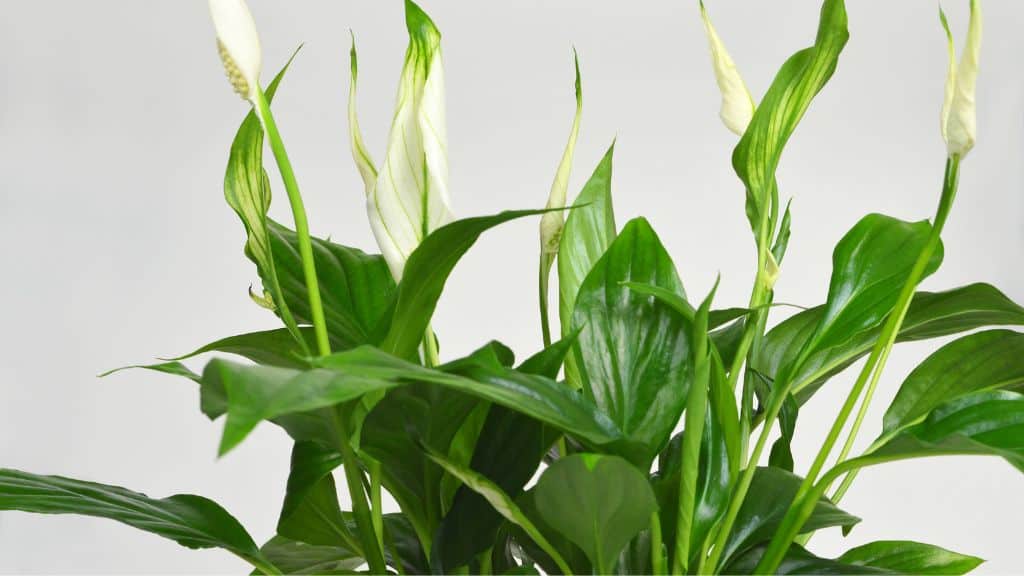
- Water it properly, keep it in indirect light, and maintain a warm, humid environment.
- Use high-quality, well-draining soil and feed it with a balanced fertilizer during the growing season.
- Regularly check for pests and diseases, and treat them promptly if found.
- And most importantly, show your peace lily some love. After all, plants can sense when they’re cared for!
With these tips, your peace lily should be back to its lush, green self in no time.
Frequently Asked Questions
How do I fix brown leaves on my peace lily?
The first step is to identify the cause. This could be overwatering, underwatering, too much light, poor water quality, incorrect temperature or humidity, fertilizer issues, pests, diseases, or natural aging.
Once you’ve identified the cause, you can take the appropriate steps to fix it, such as adjusting your watering or lighting, improving the water quality, adjusting the temperature or humidity, changing your fertilizer routine, treating pests or diseases, or simply accepting the natural aging process.
Should I cut brown leaves off peace lily?
Yes, you can trim off the brown leaves at the base. This will not only improve the appearance of your plant but also allow it to direct energy to new growth. Just make sure to use clean, sharp scissors to avoid causing any damage.
Why are my peace lily leaves turning brown?
This could be due to overwatering, underwatering, too much light, poor water quality, incorrect temperature or humidity, fertilizer issues, pests, diseases, or natural aging. It’s important to closely observe your plant and its conditions to identify the likely cause.
What does an overwatered peace lily look like?
An overwatered peace lily might have yellowing leaves, brown leaf tips or edges, and a wilting or drooping appearance despite the soil being wet. In severe cases, you might notice root rot, which is when the roots become soft, brown, and mushy.
If you suspect overwatering, allow the soil to dry out before watering again, and consider repotting the plant in fresh soil if the roots are rotting.
Conclusion
And there you have it, folks! We’ve journeyed through the world of peace lilies and their mysterious brown leaves. We’ve explored the possible causes, from watering and light conditions to pests and natural aging. And we’ve discovered how to fix these issues and keep our peace lilies happy and healthy.
Remember, every peace lily is unique, and what works for one might not work for another. But with a little patience and a lot of love, you can decode your plant’s signals and provide the care it needs.
So, the next time you see a brown leaf on your peace lily, don’t panic! You’re now equipped with the knowledge to diagnose and treat the issue. And remember, a brown leaf is not a plant failure. It’s an opportunity to learn, grow, and become an even better plant parent.
Keep those green thumbs up, and happy gardening!

