
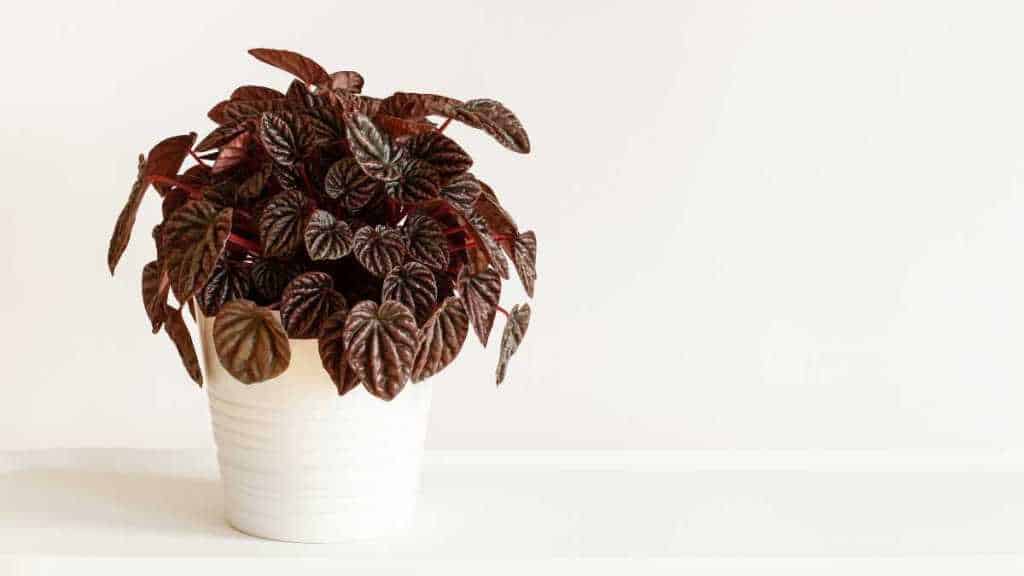
Peperomia caperata is a beautiful green tropical plant. It has been domesticated for hundreds of years. It’s also native to Central and South America and grows wild. This plant thrives in humid environments with indirect sunlight. Peperomia caperata is easy to grow and care for. It’s an ideal houseplant or outdoor garden specimen.
Peperomia Caperata Overview
Peperomia caperata is a perennial plant that belongs to the peperomia family. It is native to Brazil, Venezuela, and Peru. This small plant has thin, waxy leaves and produces small white flowers with five petals. The leaves are ovate with serrated edges on top and rounded on the bottom. These plants thrive indoors or outdoors in warm climates like Florida and California. But they can also get scorched if moved outside during the summer months.
Peperomia Caperata Cultivation
Peperomia caperata is a small houseplant that can be grown in various conditions. It is a tropical plant but can be grown indoors in cooler climates.
The Peperomia Caperata plant can grow and propagate from cuttings or divisions. Many of these plants may grow in your home without even knowing it! If you don’t know how to care for them yet, read on for some tips:

Peperomia Caperata Care
Peperomia caperata is a top choice for houseplants. This plant is perfect for any home because it’s so easy to care for and looks great anywhere you put it.
The Peperomia Caperata plant has thick, waxy leaves. They also produce small white flowers that grow in clusters at the base of its stem. The best thing about this plant is that it requires very little maintenance or care!
Peperomia Caperata Watering
Peperomia caperata is a low-maintenance plant that doesn’t need much care. But, to keep your peperomia happy, you must follow some basic watering rules. Watering frequency depends on the size of your plant and how much light it receives.
- If your peperomia has plenty of space between its leaves and soil surface, water them once a week. Do this during the spring/summer with regular tap water or rainwater.
Peperomia Caperata Lighting
Peperomia caperata is a low-light plant that will grow best in indirect light. With proper care, peperomia caperata can thrive under fluorescent or artificial lights. But some cultivars may need more lighting to thrive.
Peperomia caperata should never be exposed to direct sunlight. It’s best to grow peperomia caperata in an area with partial indirect sunlight all day. If you are looking for faster growth and higher yields, place them in a well-lit location.
Peperomia Caperata Humidity
Peperomia caperata needs to be kept at a humidity of 50% or more. You can mist or place the plant in a container with pebbles and water. If you put your Peperomia in front of an air conditioner, ensure it’s not too close to the vent. Also, ensure that there is no draft somewhere else in the room.
Peperomia Caperata Fertilizing
Fertilizing is an important part of your Peperomia caperata’s health. It helps ensure that the plant can grow and thrive. But you must be careful about how much fertilizer you give them and when you use it.
Plants can’t manufacture their food and need a source for their nutrition like humans do. Fertilizers provide this nutrient-rich substance through minerals, proteins, and starches that plants absorb. If your plant gets enough nutrients from its soil, its leaves will be vibrant green. It’ll be dull yellow-green or brownish-yellow in poor soil conditions. The best time to fertilize your pepers is early spring through late summer. They’ll need more food than usual during these periods due to growth and temperature.

Peperomia Caperata Repotting
Peperomia caperata is a low-maintenance plant. It can survive for a long time in the same pot, so it’s important to repot your plant when needed. The best time to repot is when you notice new roots growing at the bottom of your pot. When this happens, it’s time for fresh soil and a bigger container!
Please fill up your new planter with soil mixed with an equal amount of organic matter. You can use organic matter like peat moss or coco coir fiber. Also, ensure that there are holes throughout where each root pops up. Then place your newly potted Peperomia back into its original spot. You can place it inside the home or garden where it receives bright light but not direct sun exposure. To repot, pick up your plant from one side and slide out its roots. If they seem tangled together, run warm water over them until they become loose enough to pull out easily.

Propagating Peperomias In Water and Soil (Step by Step)
Propagating peperomias is easy, so you can grow as many plants as you want! Here’s how:
- Water propagation. This involves cutting a stem in water and waiting for roots to emerge. Once they appear, plant them in the soil and keep the plant moist until new growth appears. This method is ideal if you don’t have much time or patience—stick your cutting in water and wait for it to root!
- Soil propagation. Another way to propagate peperomias involves cutting a leaf. That means taking a piece off one of the leaves and placing it somewhere with good drainage. Keep it moist until new growth appears!
If neither of these methods works out for you, air layering might be worth trying instead! Cut off part of the stem below where new leaves sprout, then wrap that part in cloth. That allows it to have only one opening so air doesn’t escape. Leave this wrapped up for about two weeks. Remove the wrapped plant into potting soil when roots start forming (at least four inches)!
With proper care, you can grow a healthy peperomia plant.
Peperomia caperata is a low-maintenance plant that can be grown indoors or outdoors. It doesn’t need much light so it will thrive in low-light rooms.
Zone: 10-11
Peperomia caperata is a tropical plant. It grows best in direct light and warm temperatures. It will grow in partial shade, but the leaves will be smaller and less colorful.
This plant is like an indoor location with at least six hours of daily sunlight. It should get sunlight from 9 a.m. to 3 p.m. for the best growth and flowering. Also, Peperomia caperata needs high humidity levels (70% or more) to bright light.
This plant may drop its leaves prematurely with too low humidity or excessive heat. If you see this happen once or twice during your growing season, don’t worry. The plant should bounce back after you lower the temperature and mist more often with water.

