

Hello, fellow green thumbs! Ever wondered how long your tomato plant will stick around? Well, you’re in the right place! We’re about to embark on a journey exploring the lifespan of tomato plants. Whether you’re a seasoned gardener or a newbie, this guide on tomato plant lifespan will shed light on this vital aspect of tomato gardening. So, let’s dive in, shall we?
What is the Lifespan of a Tomato Plant?
Now, let’s get straight to the point. How long does a tomato plant live? Well, it’s not as straightforward as you might think.
Typically, a tomato plant enjoys one full growing season outdoors. That’s about 6 to 8 months of basking in the sun, soaking up the rain, and bearing delicious tomatoes. But hey, that’s not the end of the story!
Did you know that with a little bit of TLC, your tomato plant can defy this timeline? Yes, you heard it right! In controlled indoor conditions, your tomato plant can live between 2 to 5 years. Imagine that – years of fresh, home-grown tomatoes from a single plant!
But how is this possible? And how can you achieve it? Stay tuned as we delve deeper into the fascinating world of tomato plants.
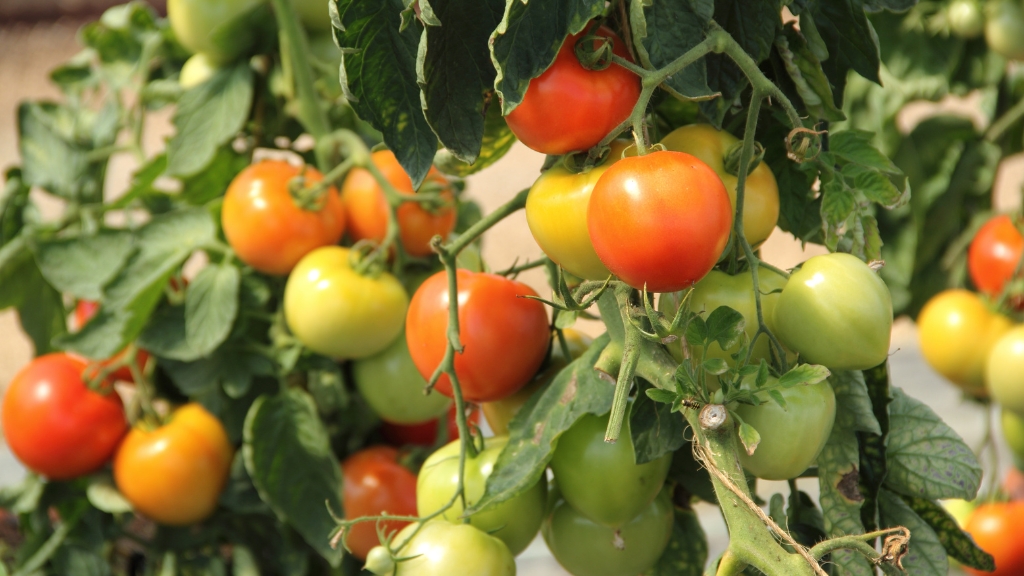
Types of Tomato Plants and Their Lifecycles
Alright, let’s get to know our tomato plants a bit better. There are two main types of tomato plants – determinate and indeterminate. Each has its own unique lifecycle and characteristics. Let’s explore each one.
Determinate Tomato Plants
First up, we have determinate tomato plants. These are the “one and done” type. Here’s what their lifecycle looks like:
- They grow to a certain height, usually around 3 to 4 feet.
- Once they reach their full height, they start to flower all at once.
- After the flowering stage, they produce all their fruit in a short period, usually within 1 to 2 weeks.
- Once all the fruit is mature, the plant has completed its lifecycle and will begin to die off.
Sounds pretty straightforward, right? But like everything in life, there are pros and cons.
Pros:
- They’re compact, perfect for small spaces or container gardening.
- They produce all their fruit at once, which is great if you want to can or preserve your tomatoes.
Cons:
- Their lifespan is shorter, usually only one growing season.
- Once they’ve produced their fruit, that’s it. No more tomatoes from this plant.
Indeterminate Tomato Plants
Next, we have indeterminate tomato plants. These are the marathon runners of the tomato world. Here’s what you can expect from their lifecycle:
- They keep growing… and growing… and growing. Some can reach up to 12 feet tall!
- They flower and produce fruit throughout the growing season, right up until frost.
- As long as they’re cared for, they’ll keep producing tasty tomatoes for you.
Again, there are pros and cons to consider.
Pros:
- They produce fruit over a longer period, providing a steady supply of fresh tomatoes.
- With proper care, they can live for several years in frost-free conditions.
Cons:
- They require more space and support due to their size.
- They need more care and attention, including regular pruning.
So, whether you choose determinate or indeterminate tomato plants, understanding their lifecycles can help you plan for a successful tomato gardening season. Happy gardening!

How to Keep Tomato Plants Alive Longer
So, you’ve got your tomato plants, and you’re ready to see them thrive. But how can you ensure they live their best life and bear the most fruit? Here are some key factors to consider:
Watering
Water is life, right? Well, it’s no different for your tomato plants. Proper watering is crucial for their survival and productivity. Here’s what you need to know:
- Tomato plants prefer deep, infrequent watering rather than shallow, frequent watering. This encourages the roots to grow deeper, making the plant more resilient.
- The soil should be moist but not waterlogged. Overwatering can lead to root rot and other diseases.
- A good rule of thumb is to water your plants when the top inch of soil is dry.
Light
Sunlight is another essential ingredient for a healthy tomato plant. Here’s the scoop:
- Tomato plants need at least 6-8 hours of sunlight each day. The more, the merrier!
- If you’re growing indoors, consider using grow lights to supplement natural light.
Fertilizer
Just like us, plants need food to grow. And for tomato plants, that food comes in the form of fertilizer. Here’s what to do:
- Use a balanced fertilizer, one with equal amounts of nitrogen, phosphorus, and potassium.
- Start fertilizing when you see the first set of true leaves and continue throughout the growing season.
Pruning and Staking
Pruning and staking aren’t just for show. They’re essential practices for a healthy, productive tomato plant. Here’s why:
- Pruning helps direct the plant’s energy towards fruit production rather than leaf growth.
- Staking keeps the plant upright, improving air circulation and reducing disease risk.
Weather Conditions (Zones)
Last but not least, let’s talk about weather. Tomato plants are warm-weather lovers, but they can adapt to various conditions. Here’s what you need to know:
- Tomato plants thrive in USDA hardiness zones 2-10.
- They prefer daytime temperatures between 70-85°F and nighttime temperatures above 55°F.
- In colder zones, consider starting seeds indoors or using a greenhouse to extend the growing season.
By paying attention to these factors, you can extend the lifespan of your tomato plants and enjoy a bountiful harvest.
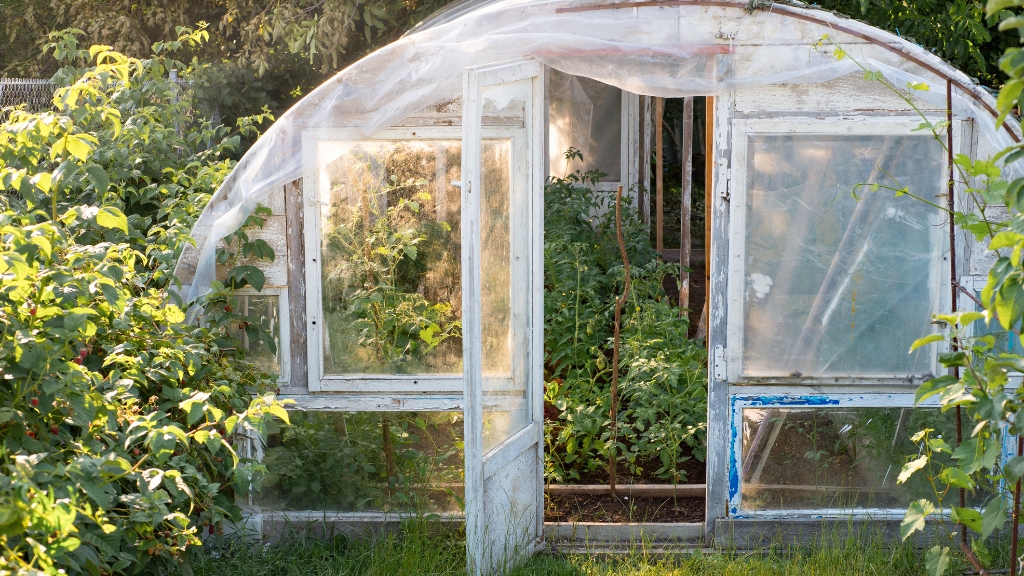
Growing Tomatoes in a Greenhouse
Ever thought about growing tomatoes in a greenhouse? It’s a game-changer, folks! Greenhouses offer a controlled environment that can significantly extend the lifespan of your tomato plants. Here’s how:
- Temperature Control: Greenhouses allow you to maintain optimal temperatures for your tomato plants, protecting them from frost and extreme heat.
- Pest and Disease Control: Greenhouses provide a barrier against pests and diseases, reducing the risk of infections that can shorten your plant’s lifespan.
- Extended Growing Season: With a greenhouse, you can start your growing season earlier and extend it into the colder months. More time equals more tomatoes!
How to Extend the Lifespan of Tomato Plants?
Want to squeeze out every last tomato from your plants? Here are some strategies to help your tomato plants live longer and produce more:
- Placing in the Right Climate: Tomato plants love warm weather. If you live in a colder climate, consider using a greenhouse or growing your tomatoes indoors.
- Proper Irrigation: Remember, deep and infrequent watering is the way to go. Overwatering can lead to root rot and other diseases.
- Pruning: Regular pruning helps direct the plant’s energy towards fruit production. Just be careful not to overdo it!
- Cutting: Propagating your tomato plants through cuttings can extend their productive life. You can start new plants from healthy branches before the parent plant dies off.
- Placing the Right Companions: Companion planting can help deter pests and improve soil health. Basil, marigold, and carrots make great companions for tomatoes.
By following these strategies, you can enjoy a longer tomato season and a more bountiful harvest. So, why not give them a try? Happy gardening!
Frequently Asked Questions
When should you stop tomato plants growing?
Around August or September, depending on your location and growing season, it’s necessary to “stop off” your tomato plants. This means pinching out the growing tips at the top of the plant to prevent further upward growth. This technique helps the plant focus its energy on ripening the fruit.
How do you know when tomatoes are done growing?
Ripe tomatoes will be their full deep color, with no green spots left. They should come off the vine quite easily. You should be able to cup the fruit in your palm, give a gentle twist, and it should pop right off the vine.
Does removing leaves help tomatoes ripen?
Yes, removing leaves from the plant can ensure the maximum amount of light possible reaches the fruits, helping them to ripen. You can also cut through the main stem a couple of leaves above the uppermost truss of green fruits.
How do I stop my tomato plants from growing higher?
‘Stopping’ involves removing the main growing tip by cutting off the top of the plant a couple of leaves above the highest truss you want to keep. This technique helps the plant to put its energy into ripening fruit rather than new growth.
Should you prune tomato plants?
Pruning tomato plants is an optional technique that some gardeners use to keep plants tidy, manipulate fruit size, and even speed ripening. However, you should only prune indeterminate varieties, which produce new leaves and flowers continuously through the growing season.
Will tomatoes ripen faster if you stop watering them?
Yes, reducing the amount of water available to the tomato plant when the fruit is mature and ready to turn red can channel the plant’s energy into ripening the fruit instead of producing new growth.
Conclusion
Understanding the lifespan of tomato plants can truly transform your gardening experience. With the right knowledge and care, you can extend their life, enjoy a bountiful harvest, and even witness the joy of seeing your tomato plants thrive for years.
So, whether you’re a seasoned gardener or just starting out, remember, every tomato plant has its own story to tell, and you’re the author of that story. Happy gardening!

