
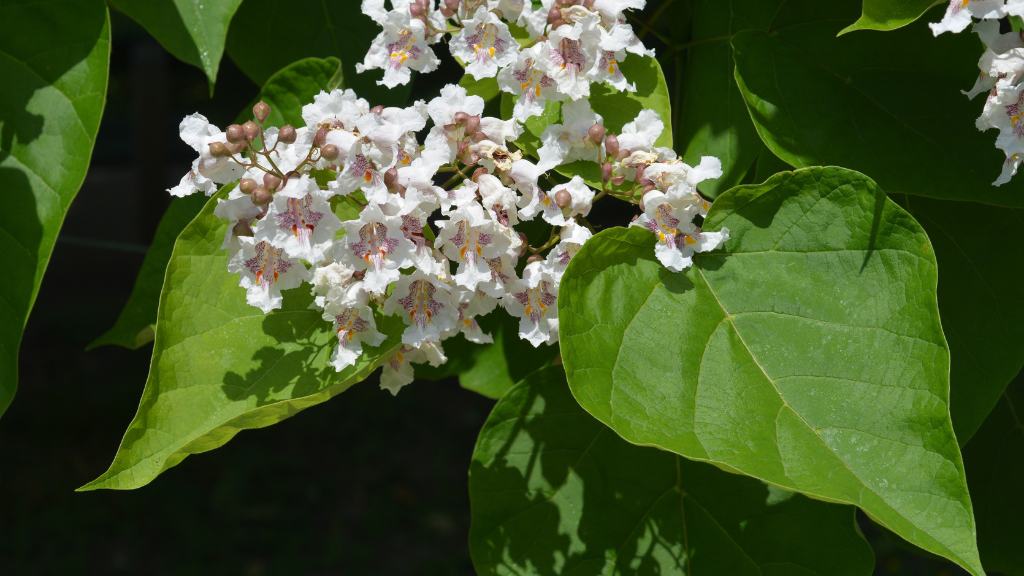
Hello, fellow nature lovers! Isn’t it amazing how trees can surprise us with their unique shapes and forms?
One such wonder is the tree with heart-shaped leaves. It’s like Mother Nature herself is sending us a love note, don’t you think? These trees aren’t just a feast for the eyes, they’re also rich in symbolism across various cultures.
In some cultures, heart-shaped leaves are seen as a sign of love and hospitality. In others, they symbolize hope and renewal.
So, when you spot a tree with heart shaped leaves, remember, it’s more than just a tree. It’s a symbol of love and life, standing tall and proud!
Identifying Trees with Heart Shaped Leaves
Now, let’s get down to the nitty-gritty. How do you identify a tree with heart-shaped leaves? Well, it’s not as hard as you might think!
First, look at the overall shape of the leaf. Is it shaped like a heart? If yes, you’re on the right track. But don’t stop there! Check the leaf’s edges. Are they smooth or jagged? Also, take a look at the leaf’s color and texture. Is it glossy or matte? Does it change colors with the seasons?
Remember, each tree is unique, just like us. So, take your time, observe closely, and soon, you’ll be a pro at identifying trees with heart-shaped leaves! Happy tree spotting!
The Magic of Heart-Shaped Leaves: Detailed Profiles of 10 Trees
1. Flame Thrower Redbud Tree
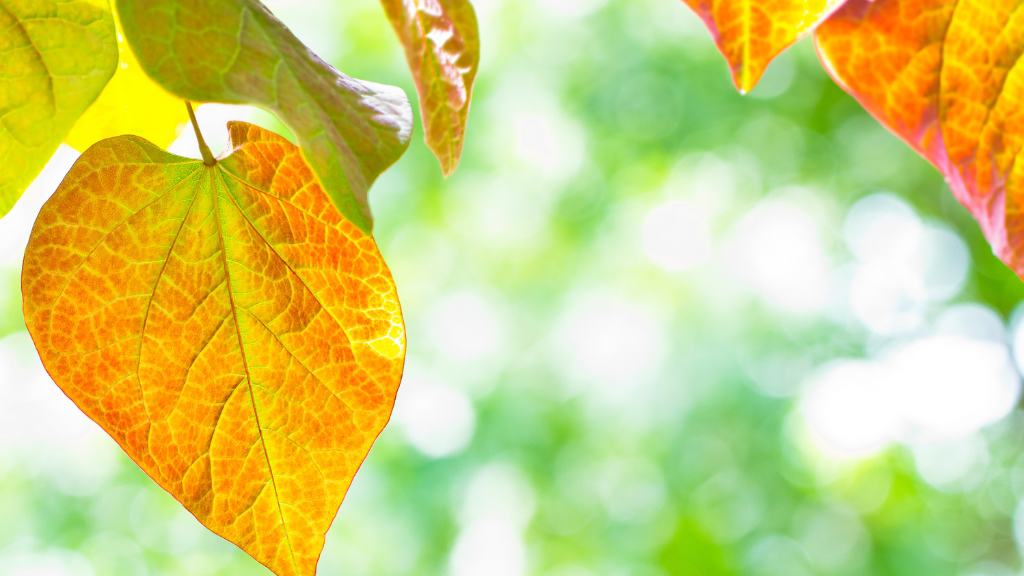
Tree Summary: The Flame Thrower Redbud Tree is a sight to behold! It’s known for its vibrant, heart-shaped leaves that change from burgundy to chartreuse as they mature. Native to North America, this tree is a favorite among gardeners for its stunning color display.
Tree Appeal: What’s not to love? Its colorful leaves add a pop of color to any landscape. Plus, it’s a relatively small tree, making it perfect for urban gardens or small backyards.
Tree Care: The Flame Thrower Redbud Tree is pretty low-maintenance. It loves the sun, so make sure it gets plenty of it. Water it regularly, but be careful not to overwater. And remember, a little pruning goes a long way to keep this tree looking its best!
2. Hearts of Gold Redbud Tree
Tree Summary: The Hearts of Gold Redbud Tree is a true gem. Its heart-shaped leaves start out as a bright red and gradually turn to a golden yellow. This tree is a native of the Eastern United States and is known for its spectacular spring blooms.
Tree Appeal: This tree is a showstopper in any garden. Its golden leaves create a stunning contrast against the darker greens of other plants. Plus, its spring blooms are a bee’s paradise!
Tree Care: This tree loves the sun but can tolerate partial shade. It prefers well-drained soil and needs regular watering, especially during dry spells. Pruning is recommended to maintain its shape and promote healthy growth.
3. Rising Sun Redbud Tree

Tree Summary: The Rising Sun Redbud Tree is a beauty. Its heart-shaped leaves start out apricot in color, then turn gold, and finally transition to a bright green. This tree is native to the Eastern United States and is known for its resilience.
Tree Appeal: Its colorful leaves and spring blooms make it a favorite among gardeners. Plus, it’s a hardy tree that can withstand a variety of conditions, making it a great choice for those new to gardening.
Tree Care: This tree thrives in full sun to partial shade. It prefers moist, well-drained soil. Regular watering and occasional pruning will keep this tree happy and healthy.
4. Quaking Aspen Tree

Tree Summary: The Quaking Aspen Tree is a marvel of the forest. Its heart-shaped leaves are known for their unique ‘quaking’ or trembling in the wind. Native to the cooler regions of North America, this tree is famous for its stunning fall colors.
Tree Appeal: The Quaking Aspen is a favorite for its mesmerizing leaf movement and the soothing sound it creates. In the fall, its leaves turn a brilliant yellow, creating a breathtaking display.
Tree Care: Quaking Aspens love the sun and thrive in well-drained soil. They need regular watering, especially in dry conditions. Pruning should be done in late winter or early spring to maintain its health and shape.
5. Southern Catalpa

Tree Summary: The Southern Catalpa is a tree with character. Its large, heart-shaped leaves and showy white flowers make it a standout. Native to the southeastern United States, this tree is as hardy as it is beautiful.
Tree Appeal: The Southern Catalpa is loved for its dramatic appearance and its ability to attract wildlife. Its flowers are a favorite among bees, and its seed pods are a food source for several bird species.
Tree Care: This tree is adaptable and can tolerate a range of soil conditions. It prefers full sun but can handle partial shade. Regular watering and occasional pruning will keep this tree in top shape.
6. Foxglove Tree
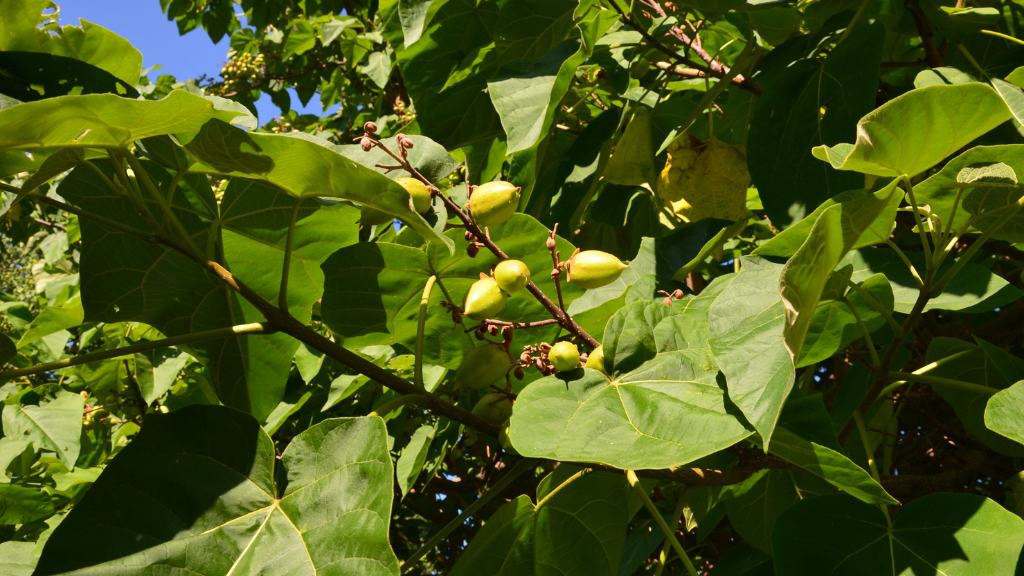
Tree Summary: The Foxglove Tree is a spectacle to behold. Its large, heart-shaped leaves and purple foxglove-like flowers make it a unique addition to any garden. Native to western Asia, this tree is known for its fast growth and resilience.
Tree Appeal: The Foxglove Tree is loved for its exotic appearance and rapid growth. It’s a great choice for those looking to add a touch of the unusual to their garden.
Tree Care: This tree thrives in full sun and well-drained soil. It’s drought-tolerant once established but appreciates regular watering during its first few years. Pruning should be done in late winter to promote healthy growth.
7. American Lime

Tree Summary: The American Lime, also known as the American Linden, is a classic beauty. Its heart-shaped leaves and fragrant flowers make it a beloved tree across North America. This tree is known for its shade and the sweet honey produced by bees that visit its flowers.
Tree Appeal: The American Lime is loved for its stately appearance and the cool shade it provides. Its fragrant flowers are a bonus, attracting bees and filling the air with a sweet scent.
Tree Care: This tree prefers full sun to partial shade and well-drained soil. It needs regular watering, especially during dry periods. Pruning should be done in late winter or early spring to maintain its shape and health.
8. Silver Lime
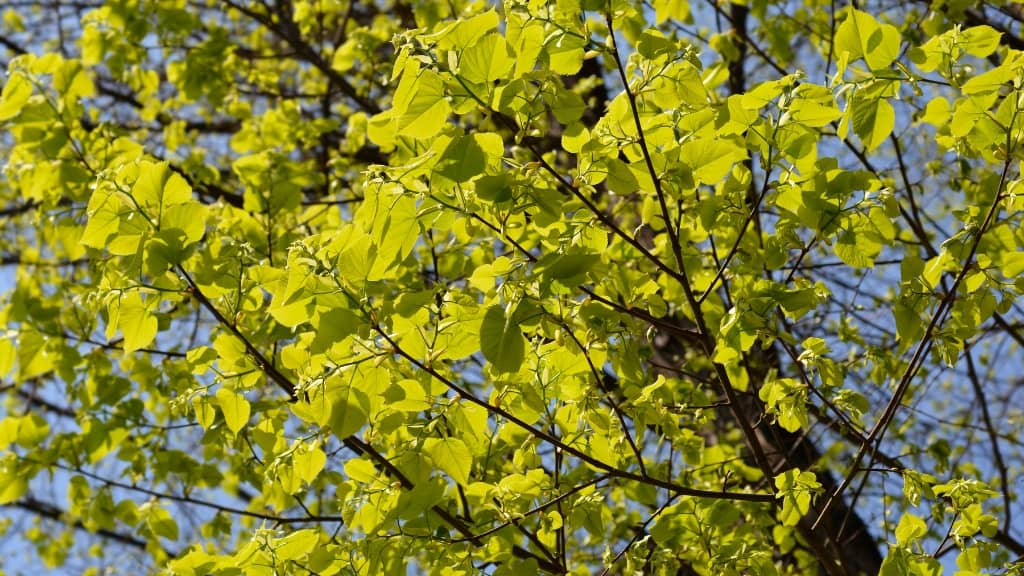
Tree Summary: The Silver Lime is a tree with a touch of silver. Its heart-shaped leaves have a silvery underside that shimmers in the wind. Native to Europe and western Asia, this tree is known for its ornamental value and its resistance to pollution.
Tree Appeal: The Silver Lime is loved for its distinctive leaves and its ability to thrive in urban environments. It’s a great choice for city dwellers looking to add some green to their surroundings.
Tree Care: This tree thrives in full sun and well-drained soil. It’s relatively low-maintenance, but appreciates regular watering and occasional pruning to keep it looking its best.
9. Common Lime

Tree Summary: The Common Lime, also known as the European Linden, is a tree steeped in history. Its heart-shaped leaves and fragrant flowers have made it a favorite across Europe for centuries. This tree is known for its longevity and the quality of its wood.
Tree Appeal: The Common Lime is loved for its historical significance and its stately appearance. It’s a great choice for those looking to add a touch of history and elegance to their garden.
Tree Care: This tree prefers full sun to partial shade and well-drained soil. It needs regular watering, especially during dry periods. Pruning should be done in late winter or early spring to maintain its shape and health.
Frequently Asked Questions
What plant has pointed heart-shaped leaves?
The Anthurium plant is known for its pointed heart-shaped leaves.
What is a vine with heart-shaped leaves?
The Morning Glory vine is known for its heart-shaped leaves.
What kind of tree has heart-shaped leaves in Texas?
The Texas Redbud is a tree with heart-shaped leaves native to Texas.
What Hawaiian tree has heart-shaped leaves?
The Milo tree, native to Hawaii, has heart-shaped leaves.
Conclusion
We’ve taken a deep dive into the world of trees with heart-shaped leaves, exploring their unique features, appeal, and care tips. From the Flame Thrower Redbud to the Common Lime, each tree has a unique story to tell.
So, why not share your own story? Have you encountered these trees in your local environment? Or perhaps you’re inspired to add one to your garden? Whatever your experience, we’d love to hear about it. After all, the beauty of nature is best enjoyed when shared.

