
Hello, green thumbs! Ever found yourself wondering about the difference between microgreen seeds and regular seeds? You’re not alone. It’s a question that pops up quite often, especially among those new to the world of gardening.
Now, here’s the million-dollar question: Are microgreen seeds different from regular seeds? The short answer is no, not really. But let’s dig a little deeper.
Understanding the difference is more than just a trivia fact. It’s crucial for your gardening journey. It can affect everything from the way you plant to the way you harvest. So, let’s dive in and clear up the confusion, shall we?
What are Microgreens?

Microgreens! You’ve probably heard the term tossed around in health food stores or seen it on fancy restaurant menus. But what exactly are they?
Microgreens are the tiny, edible greens grown from the seeds of vegetables and herbs. They’re harvested just after the first leaves have developed. Think of them as the baby version of the plants we’re all familiar with.
They’ve been around for a while, but it wasn’t until the 1980s that they started gaining popularity. Chefs began using them to add a splash of color and a burst of flavor to their dishes. And boy, did they catch on!
There’s a whole world of microgreens out there. From the peppery punch of radish microgreens to the subtle sweetness of pea shoots, there’s a microgreen for every palate. So, whether you’re a seasoned gardener or a green newbie, microgreens are a fantastic addition to any garden.
What are Microgreen Seeds?
Microgreen seeds, as the name suggests, are the seeds used to grow microgreens. They’re the same seeds you’d use to grow full-sized plants, but there’s a twist. When we talk about microgreen seeds, we’re referring to the seeds specifically packaged and sold for growing microgreens.
Here’s how they’re used:
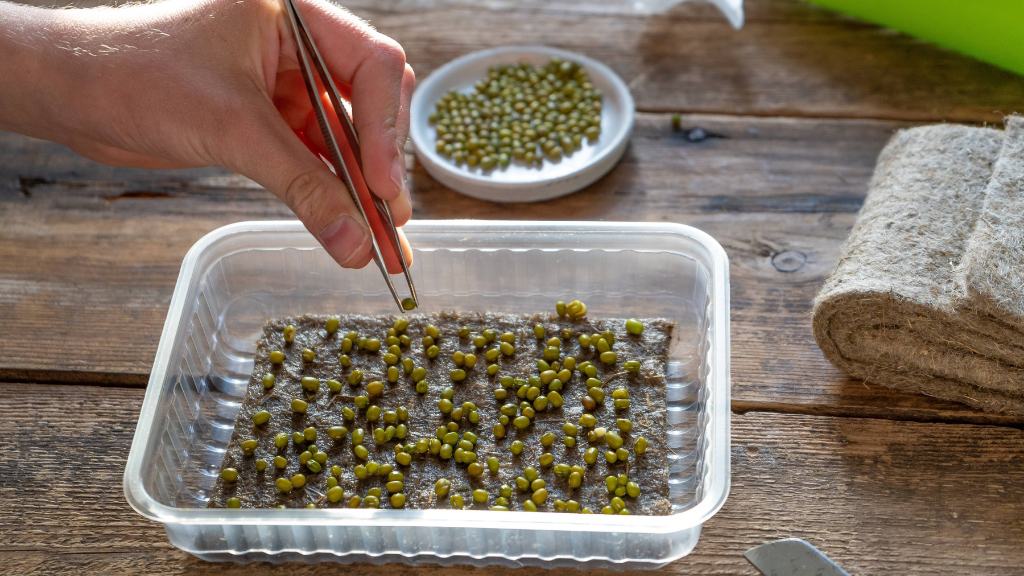
- Sowing: Microgreen seeds are sown densely in a shallow layer of soil or a hydroponic tray. This density is what gives microgreens their characteristic lush look.
- Harvesting: Once the seedlings have developed their first true leaves, they’re ready to be harvested. This usually happens within 1-2 weeks of planting.
There’s a wide variety of microgreen seeds available. Some popular ones include:
- Radish: Known for their quick growth and spicy flavor.
- Broccoli: Loved for their rich, earthy taste and high nutritional value.
- Sunflower: These microgreens are crunchy and have a sweet, nutty flavor.
What are Regular Seeds?
Now, let’s talk about regular seeds. These are the seeds you’d typically use to grow full-sized plants. They’re the same as microgreen seeds genetically, but their use is where the difference lies.
Here’s how regular seeds are used:
- Sowing: Regular seeds are sown with more space between them to allow for the growth of a full-sized plant.
- Harvesting: Regular seeds take longer to reach maturity. Depending on the plant, this could be anywhere from a few weeks to a few months.
Common types of regular seeds include:
- Tomato seeds: These are used to grow all varieties of tomatoes, from cherry to beefsteak.
- Pepper seeds: From sweet bell peppers to fiery habaneros, these seeds are quite versatile.
- Herb seeds: These include seeds for plants like basil, rosemary, and thyme.
Remember, whether you’re dealing with microgreen seeds or regular seeds, the key to successful growth is understanding their unique needs and providing the right conditions.
Are Microgreen Seeds Different from Regular Seeds?

There’s a common belief that microgreen seeds are a special kind of seed, different from the ones used to grow full-sized plants. This belief likely stems from the fact that seeds marketed as “microgreen seeds” are often sold at a higher price point. But here’s the truth: genetically, they’re the same as regular seeds.
That’s right! The seeds you use to grow radish microgreens are the same ones you’d use to grow full-sized radishes. The difference lies not in the seed itself, but in how it’s grown and harvested.
Here’s the deal:
- Genetic similarity: Microgreen seeds and regular seeds are genetically identical. The seed of a broccoli plant will grow into a broccoli plant, whether you harvest it early as a microgreen or let it mature fully.
- Growth and harvesting: The difference comes in when and how the plants are harvested. Microgreens are harvested just after the first true leaves appear, while regular plants are allowed to grow to maturity.
So, next time you’re shopping for seeds, remember: it’s not about microgreen seeds vs. regular seeds. It’s about how you plan to grow and use your plants.
7 Key Differences Between Microgreen Seeds and Regular Seeds

While microgreen seeds and regular seeds are genetically identical, the way we use them creates some key differences. Let’s explore seven of these differences:
Purpose
The purpose of the seeds is the first major difference:
- Microgreen seeds: These seeds are intended for growing microgreens, which are harvested early and used in salads, sandwiches, and as garnishes.
- Regular seeds: These are used to grow full-sized plants, whether it’s for their fruits, flowers, or just for their aesthetic appeal.
Growth Cycle
The growth cycle of the plants also differs:
- Microgreens: These plants are harvested just after the first true leaves appear, usually within 1-2 weeks of planting.
- Regular plants: These are allowed to grow to maturity, which can take several weeks to months, depending on the plant.
Harvesting Time
Harvesting time is another key difference:
- Microgreens: These are harvested early, providing a quick turnaround for gardeners.
- Regular plants: These require more patience, as they need to reach maturity before they can be harvested.
Nutritional Value
The nutritional value of the plants can also vary:
- Microgreens: Despite their small size, microgreens are packed with nutrients. In fact, they often contain higher concentrations of vitamins and antioxidants than their mature counterparts.
- Regular plants: While still nutritious, the nutrient concentration is often lower in mature plants compared to microgreens.
Seed Density
Seed density is another area where microgreens and regular seeds differ:
- Microgreens: These seeds are sown densely to create a lush, compact growth.
- Regular seeds: These are sown with more space between them to allow for the growth of a full-sized plant.
Growing Conditions
The ideal growing conditions for microgreens and regular plants can also differ:
- Microgreens: These can be grown indoors, under lights, and in a variety of containers. They’re perfect for urban gardeners with limited space.
- Regular plants: These often require more space and sunlight, making them more suited to traditional garden settings.
Cost
Finally, the cost of the seeds can vary:
- Microgreen seeds: These are often sold at a higher price point due to the demand from health food enthusiasts and gourmet chefs.
- Regular seeds: These are typically cheaper, as they’re more commonly available and in higher demand for traditional gardening.
By understanding these differences, you can make an informed decision about which type of seed is best for your gardening needs. Happy growing!
Frequently Asked Questions

What is the difference between seeds and microgreen seeds?
Microgreen seeds and regular seeds are genetically the same. The difference lies in how they are used. Regular seeds are planted and allowed to grow into mature plants, while microgreen seeds are harvested when the plant is still very young, usually just after the first true leaves have appeared.
Can you use ordinary seeds for microgreens?
Yes, you can use ordinary seeds for growing microgreens. The term “microgreen” refers to a stage in the plant’s life (the seedling stage), not a specific type of seed. Therefore, many types of vegetable and herb seeds can be used to grow microgreens.
Can you grow microgreens with any seed?
While you can technically grow microgreens from any type of seed, some varieties are better suited for this purpose than others. Leafy greens and herbs are commonly used because they germinate quickly and are easy to grow. However, it’s important to ensure that the seeds haven’t been treated with any chemicals that could be harmful when consumed.
What is the difference between sprout seeds and regular seeds?
Sprout seeds and regular seeds are also genetically the same. The difference lies in the stage at which they are harvested. Sprouts are harvested just a few days after germination, before they develop true leaves. Regular seeds are allowed to grow into mature plants.
Can I use regular seeds for sprouts?
Yes, you can use regular seeds to grow sprouts. However, it’s important to ensure that the seeds are safe for consumption. Some seeds are treated with fungicides or other chemicals, which can be harmful if ingested. Always use seeds that are labeled for sprouting or culinary use.
Are sprouting seeds and microgreen seeds the same?
Sprouting seeds and microgreen seeds can be the same type of seeds. The terms “sprouting” and “microgreen” refer to different stages of the plant’s growth. Sprouts are harvested just a few days after germination, before they develop true leaves. Microgreens are allowed to grow a bit longer and are harvested after the first true leaves have appeared.

Conclusion
While microgreen seeds and regular seeds are genetically the same, the way we use them creates some key differences.
We’ve learned that the purpose, growth cycle, harvesting time, nutritional value, seed density, growing conditions, and cost all vary between microgreens and regular plants. These differences can help guide your gardening decisions, whether you’re looking to grow a lush carpet of microgreens or a garden full of mature plants.
If you’re new to gardening, microgreens can be a great place to start. They’re quick to grow, packed with nutrients, and can be grown in small spaces. On the other hand, if you’re patient and have the space, growing full-sized plants can be incredibly rewarding.
Remember, gardening is a journey. Whether you choose to grow microgreens, regular plants, or a bit of both, the most important thing is to enjoy the process. So, get out there, get your hands dirty, and most importantly, have fun!

