
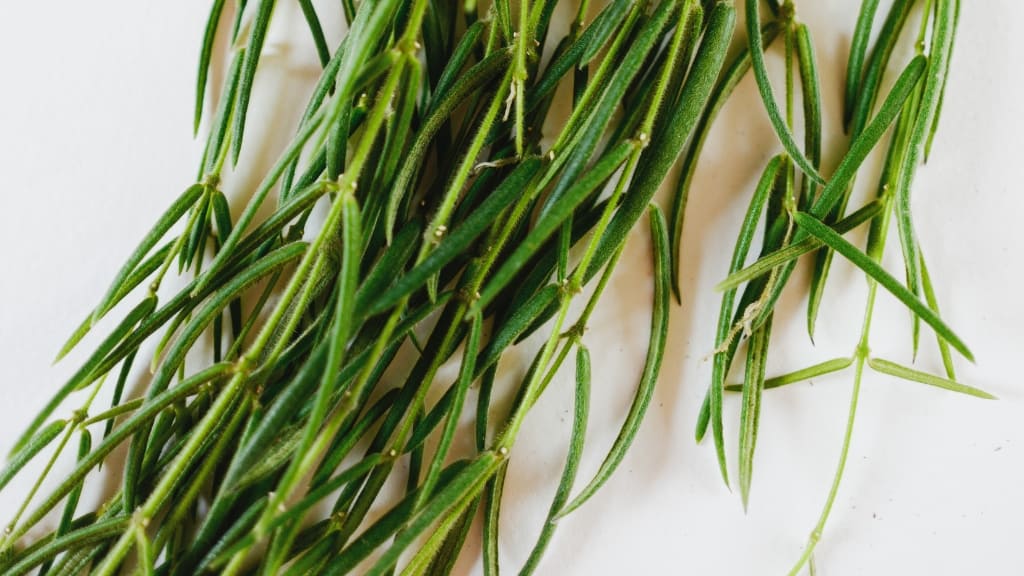
Taking care of a plant can seem like a daunting task. This is especially true for first-timers or even people who want to try something new. But if you are after a houseplant that is generally easy to care for, then one of your best options is a Hoya Linearis.
What is a Hoya Linearis Plant?
This fast-growing vine is an excellent trailing or climbing plant that originated in Southeast Asia and Australasia. Its unique foliage has long, thin leaves that can be up to 2 meters in height indoors. It also produces clusters of small fragrant blooms that are white and wax-like in appearance.
Unlike a parasite, like mistletoe, the epiphytic plant Hoya linearis gracefully hangs from tree branches in its natural habitat. Just as an air plant does not harm its host to get nutrition, Hoya linearis is harmless and obtains nourishment by other means.
Its flower gives off a lemony scent and is pollinated by moths and hummingbirds. It takes a great three to five years of growth for a Hoya Linearis to mature fully.
Are Hoya Linearis Plants Toxic?
The Hoya Linearis is not considered to be toxic. For the most part, it is safe for cats and dogs. If you have pets, it’s always best to double-check with your veterinarian if you are unsure.
One note to remember is that it still has that milky sap that could irritate your skin. It is best to wear gardening gloves when cutting the stems and leaves. Wash your hands thoroughly afterward as well.
Where to Find the Best Hoya Lineari Plants
You can find hoyas in many garden centers, online nurseries, or specialty stores. To guarantee you’re getting a healthy Hoya Linearis, look for plants with green stems and bright foliage. Make sure the pot is not too small, as it could stunt its growth.
How to Care for Hoya Linearis
If you’re serious about having a healthy Hoya Linearis, the following tips can help you give the best care for your new houseplant.
The Best Soil for Hoya Linearis
Of course, you’ll need to provide your Hoya Linearis with the right soil. Choose an organic potting mix that is well-draining and loose, or create a perfect blend of cacti soil, orchid bark, and perlite with a one-to-one ratio. This will provide the drainage the plant needs to stay healthy and happy.
Water Requirements for Hoya Linearis
Hoyas need watering about once a week but can tolerate less frequent watering. During the growing season, ensure that you water your plant moderately to keep your soil moist yet not wet. Allow the top layer of the soil dry out a bit between each watering session. During its dormant phase (winter), avoid overwatering your plant, yet ensure it is lightly watered to prevent dehydration.
Fertilizing Your Hoya Plant
Dilute a balanced fertilizer correctly twice a month during spring and summer. Note that overfeeding your plant with undiluted fertilizer can harm your plant. You’ll want to water your hoya linearis lightly before feeding it with fertilizer to prevent root burn. You can also add more phosphorus once you find your plant about to bloom.
Light Requirements
Hoya Linearis plants prefer bright indirect light, though they can also tolerate lower light levels. Direct sunlight can scorch the leaves.
Temperature Recommendations
Hoyas don’t thrive well near open windows or drafts. Find a place for your plant away from these, and keep it at room temperature (ideal between 15°C-29°C). To prevent damage to the products, don’t let your hoya live in temperatures below 10°C.
Humidity Recommendations
Hoya Linearis plants like moderate humidity levels but can tolerate lower humidity. Regular misting will help it survive in a dry climate.
Pruning Your Hoya Linearis
Hoya Linearis plants can go for years without pruning in the wild as they grow very slowly. In a pot, however, you’ll need to prune it every few months to keep it healthy.
If your plant is getting too long, find a sterile blade to cut dried and dead stems. To promote the growth of star-shaped flowers, avoid snipping off the peduncle.
Repotting Hoya Linearis
Hoyas are known for being low maintenance and highly tolerant when it comes to being slightly root-bound. It is perfectly acceptable to repot your plants once a year. To ensure your plant’s continued growth and health, repot your hoya in early Spring.
If you notice the roots ‘circling’ around the bottom of your container, then it’s time to repot! You can find a new pot a few centimeters bigger than the previous one and fill it with potting soil. Before transferring your hoya, trim away any excess roots or dead leaves you may find.
Propagating Hoya Linearis
The easiest way to propagate Hoya Linearis is by stem cutting. Trim a few centimeters off of a stem with at least 3 nodes. Cut underneath a node where the leaf connects to the stem.
The white latex sap can be very irritating and may cause skin irritation, so wear gloves for protection.
To encourage proper root formation, dip the end of your stem, cut into a rooting hormone, and push it down into a mixture composed of sphagnum moss and perlite. Secure a plastic bag over your pot to consistently sustain the humidity and water level.
Keep your moss mixture consistently hydrated. The cutting could rot if your moss is too wet. Position your pot in well-lit, indirect sunlight with a temperature around 75-80°F for optimal growth. You can find roots starting to grow within 3-4 weeks.
Tips to Help Your Hoya Linearis to Flower
Note that you need to take good care of your plant for it to flower. Allow your Hoya Linearis to mature, and you’ll find it is ready to bloom after a few years.
You’ll need to ensure it receives enough light, water, and nutrients and maintain consistent temperature and humidity levels. Keep your hoya away from open windows or drafts, and don’t expose it to direct sunlight.
Final Thoughts
Hoya linearis plants are great houseplants that require minimal care and attention, making them perfect for busy lives! With the right potting mix, light, water, and fertilizer schedule, you’ll surely have a healthy and blooming hoya plant in no time!

