

Ever wondered why your plants aren’t as vibrant as you’d like them to be? Well, it could be a potassium deficiency. Yup, you heard it right! Potassium is a big deal when it comes to plant health.
Now, you might be thinking, “What’s so special about potassium?” or “How can I make sure my plants get enough of it?” That’s where high potassium fertilizer comes in. It’s a plant’s best friend, and by the end of this article, it might just become yours too!
1. Understanding the Role of Potassium in Plant Health
What Does Potassium Do for Plants?
Imagine potassium as the gym trainer for your plants. It’s the one pushing them to grow stronger, healthier, and more productive. It’s a key player in photosynthesis, helping plants convert sunlight into energy.
But that’s not all! Potassium also helps plants gulp down water and nutrients from the soil. It’s like the ultimate smoothie straw, helping your plants stay hydrated and nourished.
Identifying Potassium Plant Deficiencies
So, how do you know if your plants are crying out for more potassium? They can’t exactly tell you, can they? Well, they kind of do, but you need to know what to look for.

First off, check the leaves. Are they yellowing around the edges? Are the tips looking burnt? These could be signs of potassium deficiency.
And it’s not just about looks. Potassium deficiency can stunt growth and reduce yield. It’s like trying to run a marathon without enough fuel. Your plants need potassium to reach their full potential.
In the next sections, we’ll dive deeper into how you can ensure your plants get enough potassium. So, stick around, because this is just the beginning of our high potassium fertilizer journey!
2. The Importance of Soil Testing

So, you’re ready to roll up your sleeves and give your plants the potassium boost they need. But hold on a minute! Before you start, it’s crucial to understand your soil’s current potassium levels. That’s where soil testing comes in.
Testing Soil for Potassium
Think of soil testing as a health check-up for your garden. It tells you what’s going on beneath the surface. Here’s why it’s important:
- It helps you understand your soil’s nutrient levels.
- It prevents you from over-fertilizing, which can harm your plants and the environment.
- It saves you money by ensuring you only use the fertilizer you need.
Testing your soil for potassium is pretty straightforward. You can buy a soil testing kit from your local garden store or online. Just follow the instructions, and you’ll have your results in no time!
Impact of Soil pH on Potassium Availability
Now, here’s something you might not know. The pH level of your soil can affect how much potassium your plants can absorb. Here’s the deal:
- Acidic soil (low pH) can make it harder for plants to absorb potassium.
- Alkaline soil (high pH) can lock potassium in the soil, making it unavailable to plants.
So, how can you adjust your soil pH to optimize potassium availability? Lime can be used to raise soil pH, while sulfur can lower it. But remember, always test your soil first to avoid over-adjusting!
3. Decoding Fertilizer Labels

Ever looked at a fertilizer label and felt like you’re reading a foreign language? You’re not alone! But don’t worry, we’re here to translate.
Understanding Fertilizer Labels
Fertilizer labels tell you what’s inside the bag. The key thing to look for is the N-P-K ratio. This tells you the percentage of nitrogen (N), phosphorus (P), and potassium (K) in the fertilizer.
For example, a fertilizer labeled 10-10-10 has equal parts of nitrogen, phosphorus, and potassium. But if you’re looking for a high potassium fertilizer, you’ll want a higher last number, like 10-10-20.
The N-P-K Ratio and What It Means
The N-P-K ratio is like a recipe for your plants. Here’s what each ingredient does:
- Nitrogen (N) promotes leafy green growth.
- Phosphorus (P) helps with root development and flowering.
- Potassium (K) boosts overall plant health and disease resistance.
So, a high potassium fertilizer (like 10-10-20) is like a superfood smoothie for your plants, giving them a big dose of health-boosting potassium. But remember, balance is key. Too much of one nutrient can cause deficiencies in others, so always test your soil first!
4. Applications of High Potassium Fertilizer

Alright, now that we’ve got the basics down, let’s talk about how to use high potassium fertilizer. This stuff is like a magic potion for your plants, but only if you use it right!
What is High Potassium Fertilizer Used For?
High potassium fertilizer is a plant’s best friend. It’s like a multivitamin, boosting overall health and helping plants fight off diseases. But that’s not all! Here are a few more benefits:
- It promotes strong root development.
- It helps plants resist drought.
- It enhances fruit and flower production.
Sounds pretty great, right? But remember, different plants have different needs. So, let’s take a look at how to use high potassium fertilizer for different types of plants.
Specific Uses in Different Types of Plants
High potassium fertilizer is a versatile tool in your gardening kit. Here’s how it can benefit different types of plants:
- Trees and Shrubs: It promotes strong root systems and helps resist disease.
- Flowers: It boosts bloom production and enhances color.
- Vegetable Gardens: It improves crop yield and quality.
- Houseplants: It promotes healthy growth and vibrant foliage.
- Banana Trees: It’s essential for fruit development.
- Lawn and Grass: It enhances resistance to drought and disease.
5. Proper Usage of High Potassium Fertilizer

Now, let’s talk about how to use high potassium fertilizer. It’s not just about sprinkling it around and hoping for the best. There’s a method to the madness!
How to Use High Potassium Fertilizer
Here’s a step-by-step guide on how to apply high potassium fertilizer:
- Test your soil to determine its potassium levels.
- Choose a high potassium fertilizer with the right N-P-K ratio for your plants.
- Follow the package instructions for how much to use.
- Apply the fertilizer to the soil around your plants, not directly on the plants themselves.
- Water your plants after applying the fertilizer to help it soak into the soil.
The Risks of Overuse
But wait! Before you go all in with your high potassium fertilizer, there’s something you need to know. Overuse can be harmful. Here’s why:
- Too much potassium can cause deficiencies in other nutrients, like nitrogen and phosphorus.
- It can lead to salt buildup in the soil, which can harm your plants.
So, how can you avoid over-fertilization? It’s all about balance. Test your soil regularly, follow package instructions, and remember that more isn’t always better.
6. Post-Application Considerations
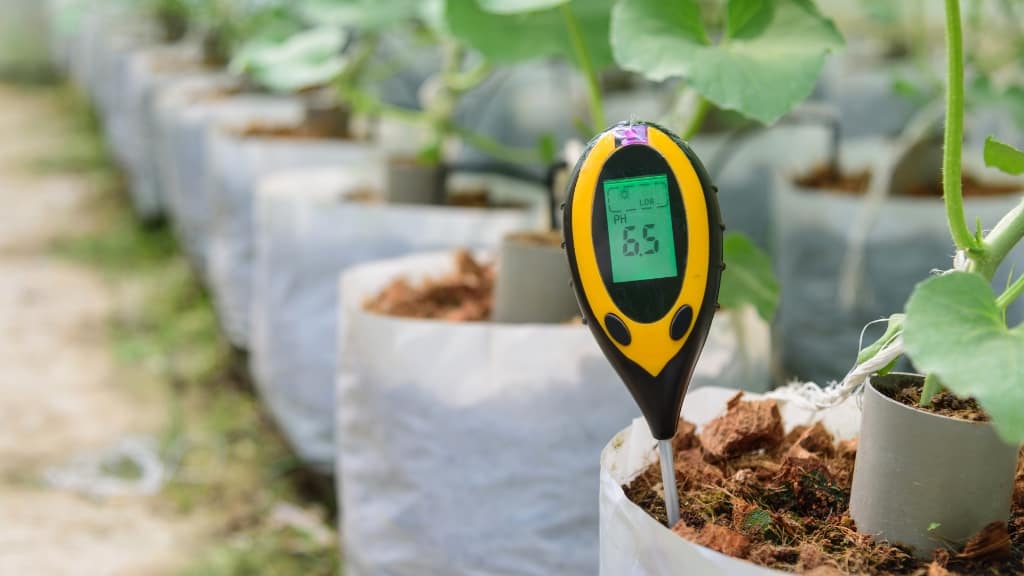
Alright, you’ve done the hard work. You’ve tested your soil, chosen the right high potassium fertilizer, and applied it to your plants. But wait, we’re not done yet! There’s one more step you need to take.
Re-checking Soil pH After Application
Remember when we talked about how soil pH can affect potassium availability? Well, applying fertilizer can change your soil pH. So, it’s a good idea to re-check it after application. Here’s why:
- It ensures that your soil pH is still in the optimal range for nutrient absorption.
- It allows you to make any necessary adjustments to keep your plants happy and healthy.
If your soil pH has shifted out of the optimal range, don’t panic! You can adjust it by adding lime to raise the pH or sulfur to lower it. But remember, always make changes gradually and re-test your soil after each adjustment.
Frequently Asked Questions
What fertilizer is high in potassium?
High potassium fertilizers include sulfate of potash, muriate of potash, and various types of kelp meal. These fertilizers have a high third number in the N-P-K ratio, indicating a high potassium content.
What is the best source of potassium for plants?
Organic potash sources like kelp meal, wood ash, greensand, and composted banana peels are considered some of the best sources of potassium for plants. These sources provide potassium in a form that’s easily absorbed by plants.
What are the benefits of high potassium fertilizer?
High potassium fertilizer helps flowers and fruit to develop, improves crop yield, enhances resistance to pests and diseases, and helps plants cope with both hot and cold weather. It also prevents yellowing and curling of leaf tips.
What happens if you give plants too much potassium?
Over-fertilizing plants with potassium can lead to nutrient imbalances, causing deficiencies in other nutrients like nitrogen and phosphorus. It can also lead to salt buildup in the soil, which can harm the plants.
What does high potassium do to soil?
When overused, potassium can have a negative impact on soil fertility. It can interfere with the availability of other nutrients, like manganese, causing deficiencies.
How do you know if your soil needs potassium?
Potassium-deficient plants are easily spotted by their stunted growth, yellowing leaves, and small leaf blades. A soil test can confirm if your soil is low in potassium.
Does potassium make soil more acidic?
No, potassium itself does not make soil more acidic. However, some forms of potassium, like potassium sulfate, can lower soil pH slightly due to the sulfur content.
What are the symptoms of potassium deficiency in soil?
Symptoms of potassium deficiency in plants include yellowing and browning of leaf edges, stunted growth, and reduced resistance to drought and disease. The deficiency can also lead to reduced fruit and flower production.
Conclusion
Everything you need to know about high potassium fertilizer. We’ve covered its importance for plant health, how to choose the right one, and how to use it effectively.
Remember, high potassium fertilizer is a powerful tool in your gardening arsenal. It can help your plants grow stronger, resist diseases, and produce more flowers and fruits. But like any tool, it’s all about how you use it.
So, why not give it a try? Your plants will thank you for it. And who knows, you might just find yourself with the greenest thumb in the neighborhood! Happy gardening!

