
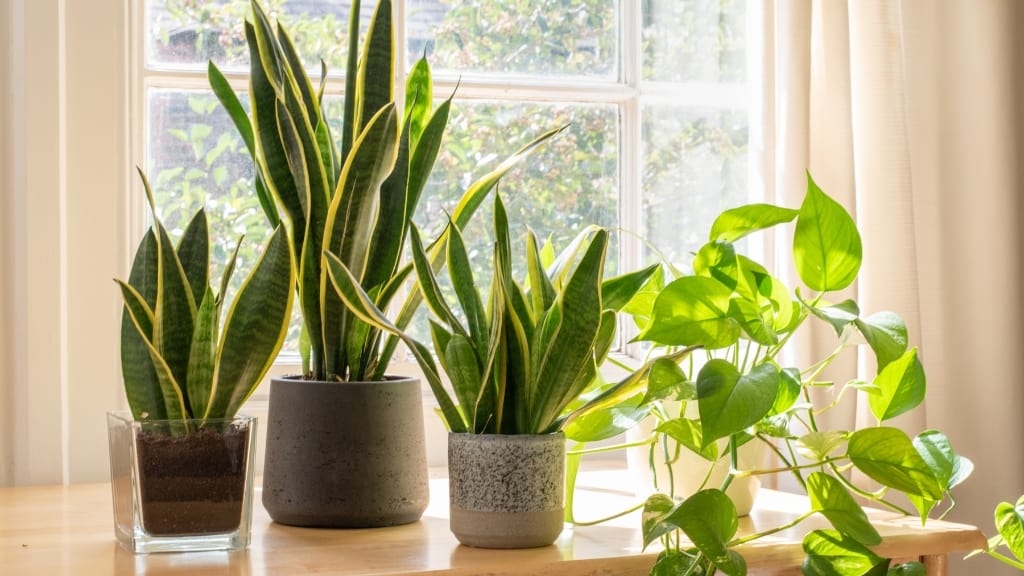
Ever wondered why your snake plant isn’t thriving as it should? The secret might be in the pot you’re using. Yes, you heard it right! The pot plays a crucial role in the health of your snake plant.
Choosing the right pot isn’t just about aesthetics. It’s about understanding your plant’s needs and providing the best environment for it to flourish. In this guide, we’ll dive into the key factors you need to consider when selecting a snake plant pot. So, buckle up and let’s get started!
Understanding the Snake Plant: A Brief Overview
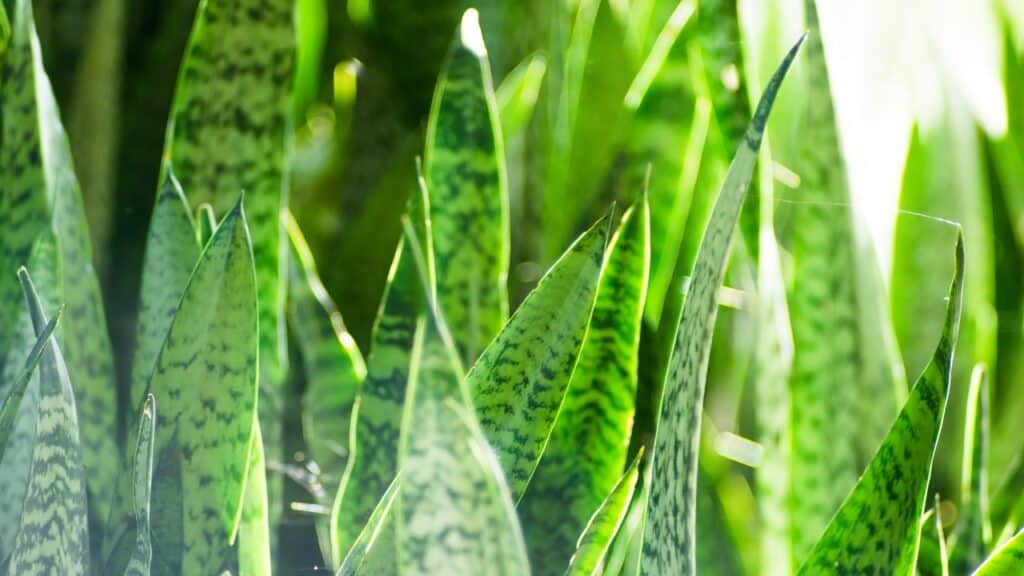
Before we jump into pot selection, let’s take a moment to appreciate the snake plant, shall we? Known scientifically as Sansevieria, the snake plant is a hardy, low-maintenance houseplant loved by many. It’s renowned for its tall, sword-like leaves and its ability to purify the air. Cool, right?
But here’s the catch: while snake plants are tough, they have specific needs that must be met for them to thrive. Understanding these needs is the first step to becoming a successful snake plant parent. So, let’s dive in and get to know our green friend a little better!
The Importance of Pot Size for Snake Plants

Size matters, especially when it comes to pots for your snake plant! The pot size directly affects the health and growth of your plant. Too small, and the roots can become cramped and suffocated. Too large, and the soil may retain too much water, leading to root rot. So, how do you find the Goldilocks of pots? Let’s explore!
4-6 Inch Pots for Snake Plants
Perfect for baby snake plants or small varieties like the Sansevieria Hahnii, 4-6 inch pots offer just the right amount of space for growth without risking overwatering.
Pros:
- Compact size makes them perfect for small spaces.
- Less soil means quicker drying, reducing the risk of overwatering.
Cons:
- Limited space may restrict the growth of larger snake plant varieties.
- May require more frequent repotting as the plant grows.
Expert Tip: Ensure the pot has good drainage to prevent waterlogging.
6-8 Inch Pots
Stepping up in size, 6-8 inch pots are great for medium-sized snake plants. They offer more room for root growth, which can promote healthier, more vigorous plants.
Pros:
- Provides ample space for root growth.
- Less frequent repotting compared to smaller pots.
Cons:
- Larger soil volume can retain more water, increasing the risk of overwatering if not careful.
- May take up more space.
Expert Tip: Use a well-draining soil mix to prevent water retention.
8-10 Inch Pots
Ideal for larger snake plant varieties, 8-10 inch pots offer plenty of room for your plant to spread its roots.
Pros:
- Ideal for larger snake plant varieties.
- Less frequent repotting.
Cons:
- Can retain a lot of water, so careful watering is crucial.
- Takes up more space.
Expert Tip: Consider a pot with a wider base for stability, as larger snake plants can become top-heavy.
10-12 Inch Pots for Snake Plants
For the granddaddy of snake plants, a 10-12 inch pot is your best bet. These pots provide ample room for large snake plants to grow and thrive.
Pros:
- Plenty of room for large snake plants to grow.
- Stable and less likely to tip over.
Cons:
- Can retain a lot of water, so careful watering is crucial.
- Takes up more space.
Expert Tip: Ensure the pot has multiple drainage holes to prevent waterlogging.
Remember, the right pot size for your snake plant depends on the plant’s size and growth habit. Always consider your plant’s needs and your space constraints when choosing a pot.
Material Considerations for Snake Plant Pots
Now that we’ve got size sorted, let’s talk about pot material. The material of your pot can significantly impact your snake plant’s health. Let’s break down the three most common materials: ceramic, plastic, and terracotta.
Ceramic Pots

Ceramic pots are a popular choice for their aesthetic appeal. But how do they fare for snake plants?
Pros:
- Heavy, which provides stability for larger plants.
- Wide range of designs and colors to match your decor.
Cons:
- Can be expensive.
- Heavyweight makes them harder to move.
- Retains moisture longer, which can lead to overwatering if not careful.
Expert Tip: If using a ceramic pot, be sure to check the soil moisture levels regularly to prevent overwatering.
Plastic Pots
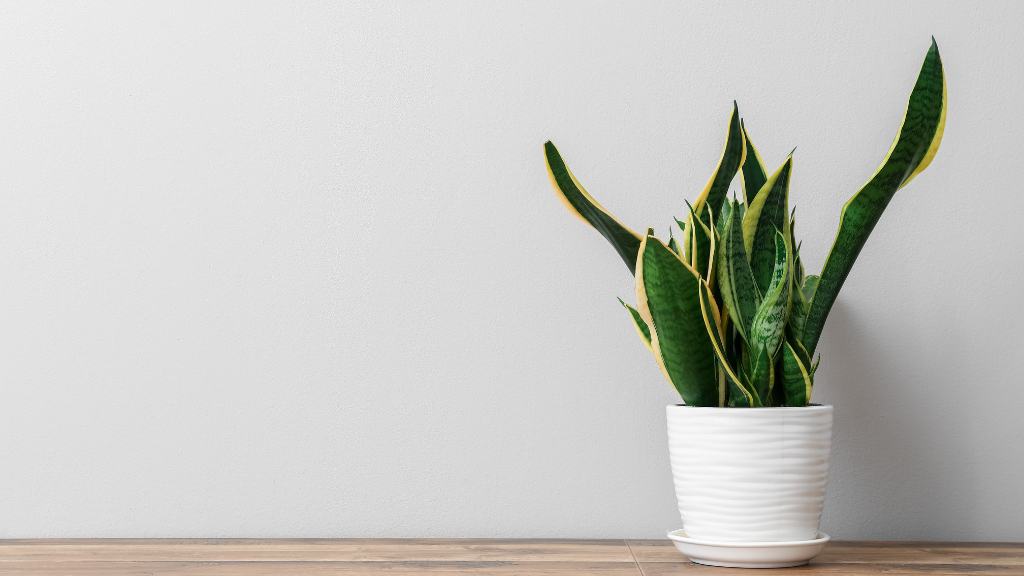
Plastic pots are lightweight and affordable, but are they right for your snake plant?
Pros:
- Lightweight and easy to move.
- Affordable.
- Retains moisture, which can be beneficial in dry climates.
Cons:
- Less breathable, which can lead to waterlogging.
- May not be as durable or long-lasting as other materials.
Expert Tip: Ensure your plastic pot has good drainage to prevent water buildup.
Terracotta Pots
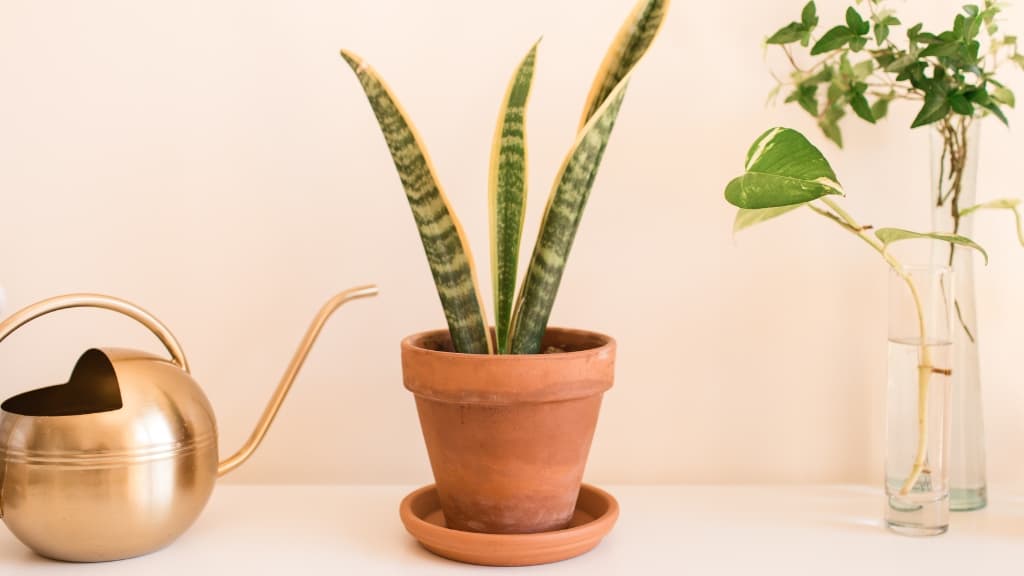
Terracotta pots are a classic choice for gardeners. But are they suitable for snake plants?
Pros:
- Breathable material helps prevent overwatering.
- Heavy, providing stability for larger plants.
Cons:
- Can dry out quickly, requiring more frequent watering.
- Fragile and can break easily.
Expert Tip: If using a terracotta pot, you may need to water your snake plant more frequently due to the pot’s porous nature.
Drainage Essentials for Snake Plant Pots
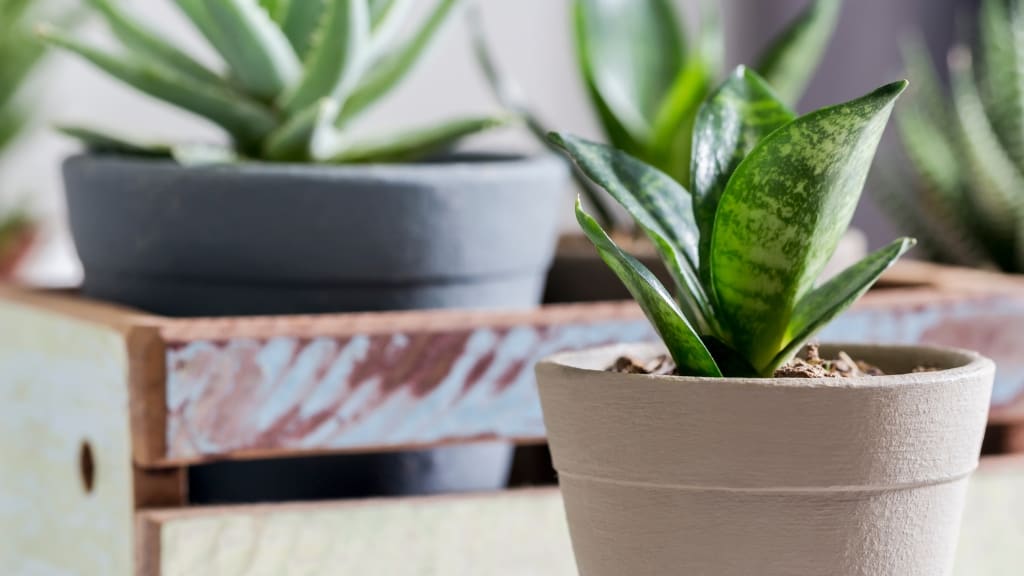
Drainage is a big deal for snake plants. These plants are prone to root rot if they sit in waterlogged soil. So, how can you ensure your pot provides adequate drainage?
- Choose a pot with drainage holes: This is the easiest way to ensure excess water can escape. If your pot doesn’t have drainage holes, consider drilling some yourself.
- Use a well-draining soil mix: A well-draining soil mix can help prevent waterlogging. Look for mixes designed for succulents or cacti.
- Consider a drainage layer: Some gardeners swear by adding a layer of pebbles or activated charcoal at the bottom of the pot to improve drainage.
- Water wisely: Even with the best drainage, overwatering can still cause problems. Always check the soil moisture levels before watering your snake plant.
Remember, good drainage is key to keeping your snake plant happy and healthy. So, don’t overlook this crucial factor when choosing a pot!
Aesthetic Considerations for Snake Plant Pots

Alright, we’ve talked about the practical stuff, but let’s not forget about style! After all, your snake plant isn’t just a plant; it’s a part of your home decor. So, how do you choose a pot that’s not only functional but also fabulous?
- Consider your home’s color scheme: Choose a pot color that complements your home’s color palette. Neutral colors like white, black, or terracotta can blend well with most color schemes.
- Think about the pot’s shape: The shape of the pot can add an extra layer of interest. For example, a tall, cylindrical pot can accentuate the height of your snake plant, while a wide, shallow pot can provide a nice contrast.
- Don’t forget about texture: A pot with a unique texture can add a touch of personality to your space. For instance, a rough, rustic terracotta pot can add a touch of warmth, while a smooth, glossy ceramic pot can create a more modern look.
Remember, the best pot for your snake plant is one that meets its needs and matches your style. So, have fun and let your creativity shine!
Frequently Asked Questions
What type of pot is best for snake plant?
The best type of pot for a snake plant is one with a drainage hole. This is because snake plants don’t like to be oversaturated with water, and a drainage hole allows excess water to escape. Terra cotta pots are often recommended because they are porous and allow the soil to dry out more quickly, reducing the risk of overwatering. However, plastic and ceramic pots can also be used if they have good drainage.
What size pot should a snake plant be in?
The ideal pot size for a snake plant is one that is at least 18 inches wide and 24 inches deep. This is because snake plants can grow very large, up to 12 feet tall in fact. However, the perfect-sized pot will depend on the current size of your snake plant. If you’re growing one from propagation or buying it from a store, then a pot that’s 3 inches tall and 6 inches wide will suffice. If your snake plant is mid-size, a pot that’s approximately 6 inches tall and 10 inches wide should do the trick.
Do snake plants like small or big pots?
Snake plants prefer pots that are similar in size to their current size. So, if your plant is small, it’s going to prefer a slightly smaller pot. Likewise, if it’s large, it’s going to prefer growing in a larger pot. However, it’s important to note that snake plants prefer their roots to be slightly tight in the pot, and they don’t like to be over-potted. Over-potting can lead to the soil staying wet for too long, which can cause the roots to become waterlogged and rot.
How should I pot my snake plant?
When repotting a snake plant, it should be done into a slightly larger pot, about two inches larger in diameter than the original pot. Care should be taken not to damage the plant or break off its leaves when lifting it out of the container. Cactus mix is recommended for repotting, as it is well-draining. The plant should be placed in the new pot at the same level it was in the old container, and the potting mix should be gently firmed around the roots. After repotting, the plant should be watered and placed back in its spot.
Do snake plants need deep pots?
No, snake plants do not need deep pots. In fact, they prefer pots that are wider rather than deeper. This is because snake plants have thick rhizomes that spread horizontally rather than vertically. Therefore, the container should be at least two inches wider in diameter than it is deep to give the roots enough space to develop and expand.
Conclusion
Choosing the perfect pot for your snake plant isn’t rocket science, but it does require a bit of knowledge and consideration. From understanding your plant’s needs to considering the pot’s size, material, drainage, and aesthetics, we’ve covered all the bases.
Now, it’s over to you! Armed with this knowledge, you’re ready to choose the perfect pot for your snake plant. So, go forth and let your snake plant thrive in its new home. Happy gardening!

