

For most people, gardening can be a scapegoat for creativity and relaxation. It offers a sense of peace that you can’t get from other activities. This also allows people to take control of their environment and get creative with plants and the landscape.
The key to success in any gardening project is selecting the right soil—and two popular options for soil are topsoil and compost. But which one is better for your project?
Topsoil
Topsoil is a soil layer rich in organic matter, minerals, and nutrients. It is the topmost layer of soil that contains the highest concentration of organic matter. This makes it an ideal soil amendment to improve the fertility and quality of your soil.
Topsoil is a great option for providing your plants with nutrients and minerals. It helps create a structure where plants can easily absorb these essential elements.
Compost
Compost is a soil amendment made from decomposed organic matter, like leaves and grass clippings. It serves as an excellent fertilizer to help improve your soil’s fertility and provide nutrients to your plants.
Compost is also beneficial for improving the texture and structure of soil. It helps form a more porous structure that allows for better drainage and aeration, which leads to healthier plants.
Cons of Using Topsoil
Topsoil may be easily accessible, but it can also be a source of weed seeds. Unless you choose sterilized topsoil, weeds may grow in your garden and compete with your plants for resources. You must also buy topsoil in bulk, which can require significant storage space if you’re starting a large gardening project.
Some topsoil are not screened or tested, meaning you can’t be sure of the soil’s quality or potential contaminants. You need to be extra careful when purchasing topsoil to ensure it’s suitable for your project.
Cons of Using Compost
Although compost is an excellent source of nutrients and minerals, it can also be a source of weed seeds. Uncomposted green material, such as grass clippings and leaves, can contain viable weed seeds that will grow in your garden.
It’s not always easy to find high-quality compost that’s suitable for your garden. Compost can also be expensive if you buy it in bulk. You may also have to buy special equipment and supplies for creating your own compost at home.
If you choose to compost at home, you must also be mindful of the materials you use. You should never add non-organic matter, such as plastic, glass, and metals, to a compost pile. The smell of the compost can also attract unwanted pests, so you need to be mindful of where you store it.
When To Use Topsoil?
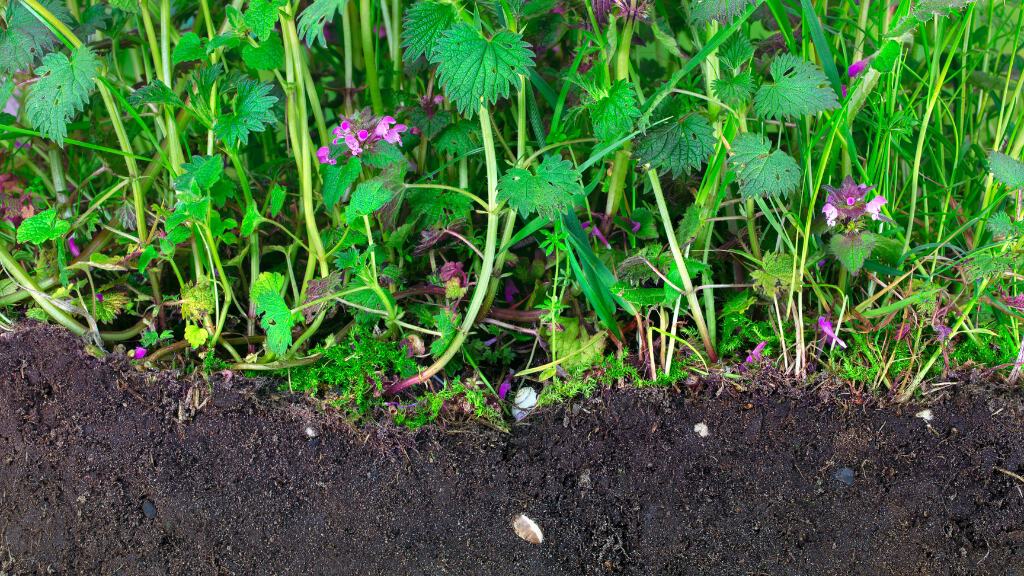
Topsoil is the ideal soil amendment for any gardening project. It improves the fertility of your soil while providing essential minerals and nutrients to your plants.
Topsoil is also beneficial for creating a structure where plants can easily absorb these essential elements. It is great for growing vegetables, flowers, and other plants.
When To Use Compost?
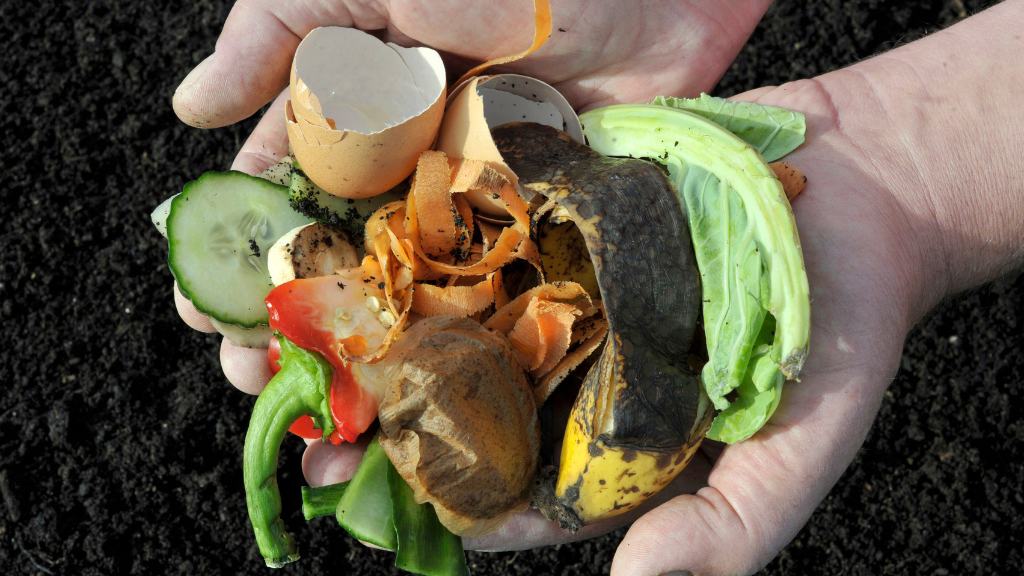
Compost is an excellent soil amendment for improving the fertility of your soil. It is also beneficial for improving the texture and structure of the soil. Compost helps form a more porous structure that allows for better drainage and aeration, which leads to healthier plants.
Compost also helps provide essential nutrients to your plants. It’s a great option for growing vegetables, flowers, and other plants.
Finding Quality Topsoil and Compost
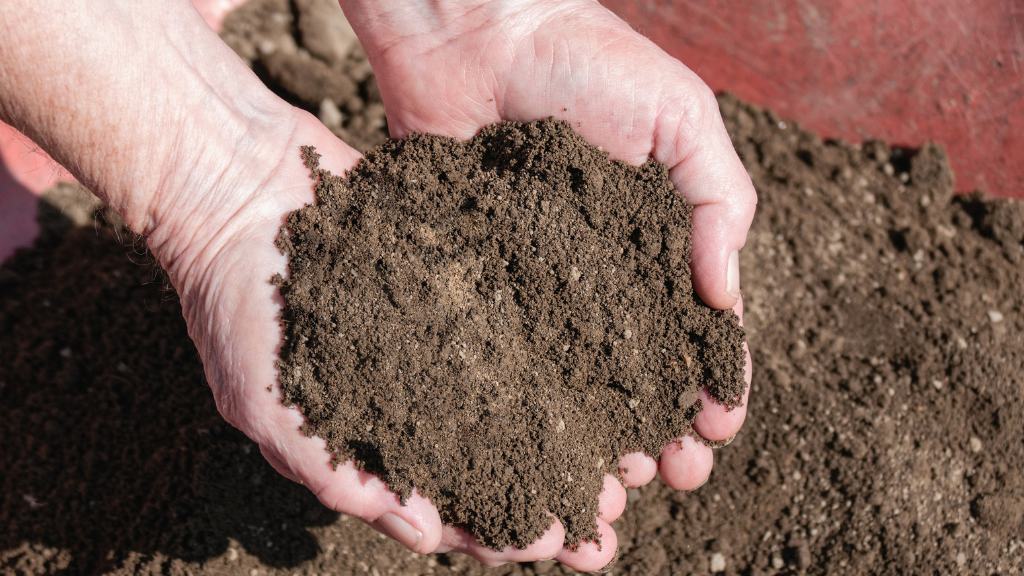
It’s important to find high-quality topsoil and compost for your gardening project. You can usually find them at local garden centers or online retailers. Review the labels and check for any additives, such as chemicals and fertilizers, that could potentially harm your plants.
It’s also important to check the pH level of your soil before purchasing either topsoil or compost. A slightly acidic soil (between a pH of 6 and 7) is best for most plants.
Projects Best for Topsoil
Since topsoil contains its nutrients but is often cheaper than compost, this is a better choice for the following projects
- Filling in borders
- Filling in large areas of bedding
- Sowing seeds for new turf
- Laying large patches of turf
- Leveling off parts of a garden
- For raised beds of plants or vegetables
Projects Best for Compost
Compost is a great soil amendment for improving the texture and structure of soil. It’s also beneficial for providing essential nutrients to your plants. Therefore, compost is a better choice for the following projects:
- Filling in raised beds or containers
- Improving the soil structure and texture
- Providing essential nutrients to your plants
- Growing vegetables, flowers, and other plants
- Creating a border or edging for flowerbeds
- Amending soil to improve drainage and aeration
- Adding organic matter to your soil for improved fertility.
What To Avoid
When buying topsoil or compost, it’s important to avoid anything not screened or tested. This means you can guarantee that the product is of a quality standard and free from weed seeds, rocks, and other debris.
Also, be mindful of any added chemicals, fertilizers, or soil conditioners. These can be harmful to your plants and should be avoided.
Finally, ensure you are buying the right soil for your plants. Different types of plants require different types of soils, so ensure you get the one best suited to your plants or garden.
How to Use Topsoil and Compost

Mixing compost with topsoil is a good way to provide balanced bedding for plants and flowers because compost tends to dry out quickly. A mixture of topsoil and compost is beneficial because it offers roots a strong foundation with great water retention from the topsoil and a nutrient boost from the compost.
Final Thoughts
Using topsoil and compost in your garden can boost soil fertility and provide essential nutrients for plants. However, it’s important to make sure you buy quality topsoil and compost and the right type of soil for your plants. Mixing compost with topsoil also provides roots a strong foundation with ample water retention and nutrient boost.
These tips will help you give your plants the best possible start. Be sure to research and follow the instructions provided by any products you buy and seek professional advice if needed. Happy gardening!

