
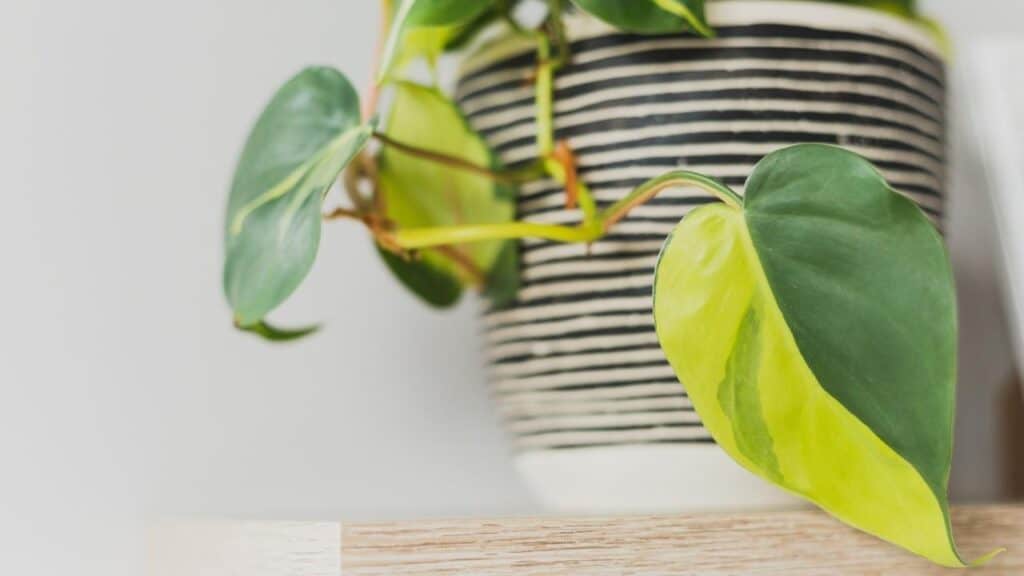
The plant Philodendron Brasil resembles the Brazilian flag. Because they are in scarce supply at the market, you must have one as quickly as possible. This plant’s leaves are dark green with a bright yellow midrib. It features lovely heart-shaped dark green leaves with golden variegation in the center.
Please read this article thoroughly! This post will almost surely provide you with solutions to any issues you may encounter while caring for your lovely plants.
About Philodendron Brasil
Uses
This plant is perfect for you! You will appreciate the natural beauty of plants without the effort of maintenance.
The Philodendron Brasil is a plant that can be hung or placed on a table. It can climb a trellis, a bamboo hoop, a moss pole, or a piece of bark, among other things.
Growth Rate
Philodendron Brazil is a resilient and quick-growing plant. This is native to the South American tropical jungles. It can tolerate a wide range of conditions, including low light, poor soil, and inconsistent watering.
Size
A mix of solid green and variegated leaves with a cream center stripe and painted-on lime-green patches make up the glossy, heart-shaped foliage. Because each leaf has its color pattern, each plant is unique. Its tentacles can grow up to 20 feet long and ascend or trail.

Philodendron Brasil Plant Care (Growing Instructions)
Light
Philodendron Brasil grows well under a variety of light settings. Never expose it to bright, indirect light for an extended period if you want it to show its variegation. Variegation reverts in low light, resulting in leggy growth.
Water
The first rule is to water your Philodendron when the top half to seventy percent of the soil is dry. Then half-fill the pot with water. Then, using the drainage hole at the bottom, drain any extra water from the saucer.
Temperature
In a room temperature environment, Philodendron Brasil thrives. The frosting is not tolerated by it. The temperature ranges from 60 degrees Fahrenheit (15 degrees Celsius) to 86 degrees Fahrenheit (30 degrees Celsius) or even higher.
Humidity
Higher humidity favors more giant leaves, although average household humidity is good. Regular misting of your plant will aid its growth.
Soil
One part potting soil, 1 part perlite, and 1 part orchid bark are the ideal soil for Philodendron.
This tropical aroid needs a loamy, well-draining, slightly acidic soil mix to grow. In an aroid-specific mixture, it will thrive.
Fertilizer
Fertilize this plant at a rate that corresponds to its pace of growth. One option that is both safe and healthy is fish emulsion.
Worm Castings, which are more expensive but odorless and easy to apply, can also be utilized. ‘
Slow-release Blend releases nutrients slowly into the soil.
Other synthetic materials may be utilized as well. Fertilizers that are liquid or dissolved in water are simple to measure and apply. They’re inexpensive and can yield excellent outcomes.
Repotting
At these points, repotting is recommended.
• In order to keep your container plants healthy and happy, you should repot them every other year. This will ensure that they stay strong. Also, pot up its container size.
• When you notice that your plant is not getting enough water, the roots may have absorbed all of its soil.
• It’s repotting time if roots encircle the pot’s bottom and appear from the soil and drain holes. (Some aerial roots are natural; we’re discussing the extremes.)
• Repotting sterile media on a more regular basis after a disease or pest problem may be advantageous.
The Philodendron Brasil is toxic if consumed. Calcium oxalate crystals are present, causing gastrointestinal pain in pets to varying degrees.
Though the crystals are not as dangerous to humans, they can cause nausea and discomfort if eaten.
Pruning and Maintenance
Throughout the year, remove dry leaves. During the spring and summer, you should undertake a lot of pruning. Pruning philodendrons requires clean scissors.
To expose a healthy sheen, place each leaf between two soft tissue cloths and clean the top.

How to Propagate
1. Cut 4-5 inch stem cuttings from your Philodendron Brasil. Make sure each cutting has a minimum of 4-6 leaves on the stem.
2. Leave 2-3 leaves on each stem cutting after removing the lowest 2-3 leaves to expose the nodes along the stem.
3. Ensure the exposed nodes are submerged, but the leaves are still visible above the water’s surface. Keep them in a bright, indirect light situation at all times.
4. Look for tiny white roots emerging from the nodes beneath the water after 2-4 weeks. Return the roots to the soil once they have grown to a length of 1 inch.
5. Plant the newly rooted cuttings in a container filled with wet, well-draining soil mix.
6. Allow the newly developed roots to acclimate to the soil by keeping the soil damp (but not soggy) during the first 2-3 weeks after planting.
Common Problems
Leaves that curl
Cause: Your plant’s curled leaves indicate that it is thirsty.
To do: Once the top few inches of soil have dried up, water your plant, but not for too long.
Brown leaves
Cause: There is a shortage of light, extreme heat, hydration, and humidity.
To do: Ascertain that the plant receives sufficient light. Increase the amount of water the plant receives if it is also withering. If the remaining leaves are healthy, introduce some breeze to cool the plant down. Increase the misting volume.
Holes and damage to the leaves
Causes:
- Pests and illnesses such as aphids, mealybugs, thrips, spider mites, and scale are examples.
- Flying insects like whitefly and gnats are also regular annoyances.
To do:
1. When it’s time to water the plant, give it a thorough inspection, paying particular attention to the spaces beneath the leaves where pests like to hide.
2. The simplest and quickest solution is to swab the culprits with rubbing alcohol.
Remove the affected leaves and treat them with a moderate horticultural oil or insecticidal soap if the infection progresses.
Conclusion
I hope this post has answered any queries you may have about care for your Philodendron Brasil.
Some people mistake this plant for a photograph, although the leaves are very different.
Pothos leaves have a rough or bumpy texture and a waxy feel, but Philodendron leaves are glossy and have a smooth touch.

