

Ever heard of hydroponics? It’s a fantastic method of growing plants without soil.
Instead, we use mineral nutrient solutions in water. Cool, right? But here’s the catch – not all seeds are cut out for this futuristic way of gardening. Choosing the right hydroponic seeds is crucial for a successful hydroponic system.
So, let’s dive in and get our hands dirty (or clean, in this case)!
Which Seeds Do Well in Hydroponic Systems

Growing Vegetables Hydroponically
Did you know that some veggies love hydroponics? Let’s meet the stars of the show.
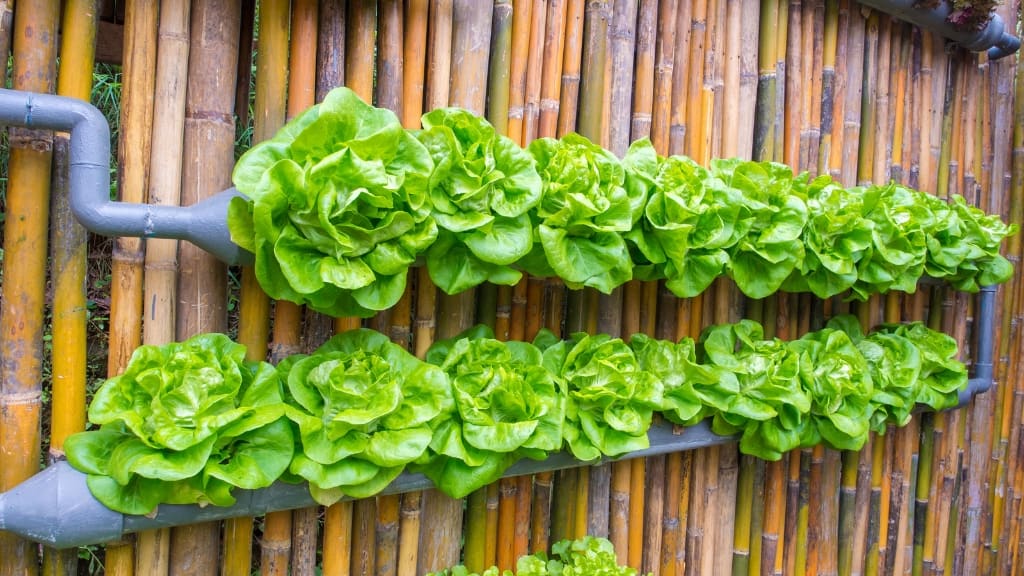
- Lettuce Seeds: These little guys are perfect for hydroponics. Varieties like Romaine and Butterhead thrive in these conditions. They love the constant supply of water and nutrients, and you’ll love their rapid growth!
- Tomato Seeds: Tomatoes in hydroponics? You bet! They need a bit more care, though. Keep the temperature steady, and they’ll reward you with a bountiful harvest. Cherry tomatoes are a great variety to start with.
- Pepper Seeds: Spice up your hydroponic garden with some peppers! They need a warm environment and plenty of light. With the right care, they’ll be popping up in no time.
- Broccoli Seeds: These are a bit tricky but totally worth it. Broccoli needs a lot of nutrients, especially calcium and magnesium. Keep an eye on them, and they’ll grow into healthy, delicious veggies.
Flower Seeds

Who says hydroponics is only for veggies? Let’s add some color to our garden!
Best Flower Varieties: Marigolds and petunias are great choices. They’re pretty forgiving and adapt well to hydroponic systems. Plus, they’ll make your garden look stunning!
Tips for Successful Flower Growth: Keep the pH level balanced and provide plenty of light. Remember, every flower is unique, so do your homework on their specific needs
Which Seeds Do Not Do Well in Hydroponics?
While hydroponics is a versatile method, it’s not a one-size-fits-all solution. Some plants just don’t take to it as well as others. Let’s look at a few examples:
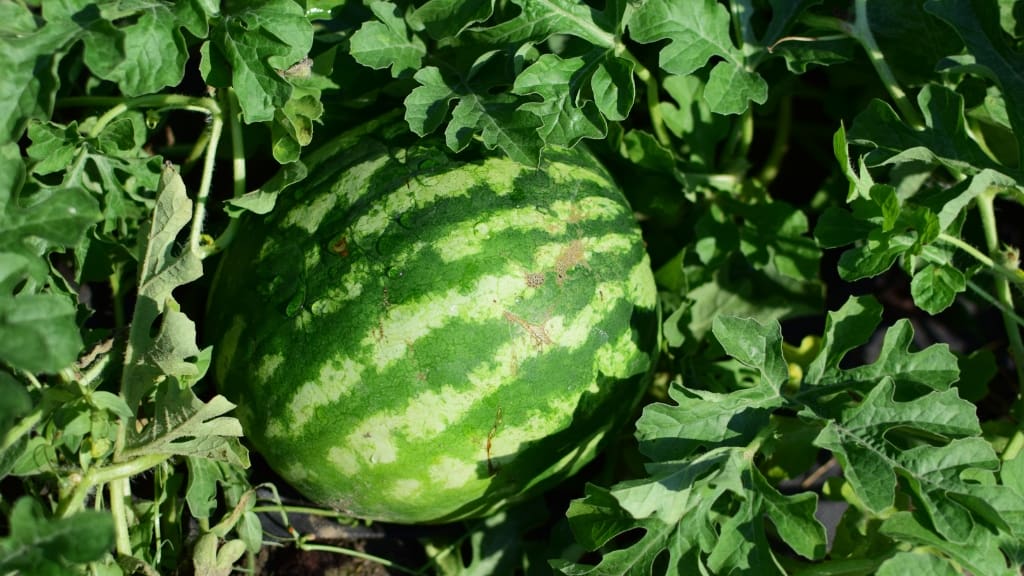
- Large Fruits or Vegetables: These plants, like watermelons or pumpkins, can struggle in hydroponic systems. They need a lot of space and support, which can be hard to provide in a typical setup.
- Potatoes, Carrots, Onions: Root vegetables can be a challenge. They grow underground in traditional gardens, and replicating this in a hydroponic system isn’t easy.
Remember, every plant is unique. With the right setup and care, you might be able to grow these plants hydroponically. But if you’re a beginner, it might be best to start with something a bit easier!
The Best Growing Medium For Hydroponic Seeds

Choosing the right growing medium is crucial in hydroponics. It supports your plants and helps deliver nutrients to their roots. Let’s explore a few options:
Rockwool
Pros: Rockwool is great at retaining water and is reusable. It’s also sterile, which helps prevent disease.
Cons: It can be tricky to handle because it’s so absorbent. It can also be irritating to skin and lungs, so handle with care!
Clay Pebbles
Clay pebbles are a popular choice for hydroponic growers. They’re lightweight and great at circulating air and water around roots.
Expert Tip: Rinse them thoroughly before use to remove any dust.
Grow Sponge
Grow sponges are perfect for seedlings. They’re soft, flexible, and hold water well.
Care Tip: Keep them moist, but not waterlogged. Too much water can cause your seeds to rot!
Grow Bowls
Grow bowls are ideal for larger plants or for growing multiple plants together.
Usage Tip: Make sure to clean them regularly to prevent the buildup of algae or bacteria.
How to Grow The Best Plants Hydroponically
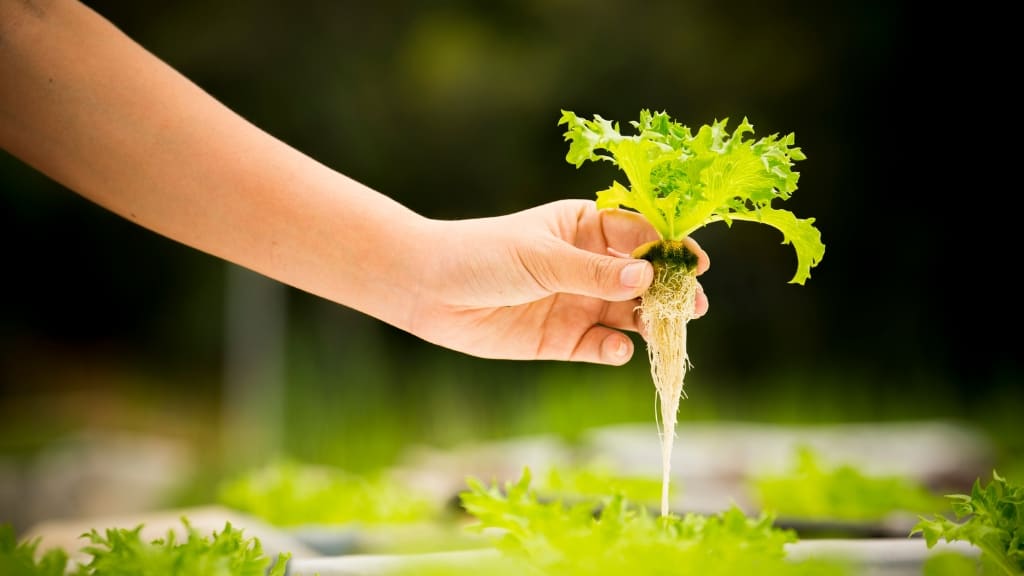
Growing plants hydroponically can seem daunting, but with the right knowledge, it’s a breeze. Let’s explore some key factors for success.
Spacing
Proper spacing is crucial in hydroponics. Too close, and your plants might compete for nutrients. Too far, and you’re not using your space efficiently.
Tips for Success:
- Small plants like lettuce can be placed closer together.
- Larger plants like tomatoes need more space to grow and spread.
Nutrients and Plant Food
In hydroponics, you’re the one providing all the nutrients your plants need.
Essential Nutrients:
- Macronutrients: Nitrogen, phosphorus, and potassium.
- Micronutrients: Iron, manganese, and zinc.
Plant Food Recommendations:
- Use a pre-mixed hydroponic nutrient solution for simplicity.
- For a DIY approach, mix your own but be sure to get the ratios right!
Water PH and TDS
PH and TDS (Total Dissolved Solids) are crucial for nutrient absorption.
PH: This measures how acidic or alkaline your water is. Most plants prefer a pH of 5.5 to 6.5.
TDS: This measures the total amount of all inorganic and organic substances in a liquid. Keep TDS levels in check to ensure your plants are getting the right amount of nutrients.
Care (Trimming)
Trimming helps your plants focus their energy on growing bigger and healthier.
Why It’s Important:
- It helps control the size of your plants.
- It can encourage more growth and yield.
Best Practices:
- Always use clean, sharp scissors or pruners.
- Trim during the vegetative stage, not during flowering or fruiting.
Cleaning (to Avoid Algae)
Algae can be a real party pooper in your hydroponic system.
Risks:
- It can clog your system.
- It can compete with your plants for nutrients.
Cleaning Tips:
- Keep your system out of direct sunlight.
- Clean your system regularly with a mild bleach solution.
Transplanting your Hydroponic Plants
Sometimes, you’ll need to move your plants to a new home.
When and Why to Transplant:
- When your plants outgrow their current space.
- To move seedlings into the main system.
Step-by-Step Guide:
- Prepare the new site first.
- Carefully remove the plant from its current location.
- Place it in the new site and gently secure it.
- Monitor the plant closely for a few days to ensure it’s adjusting well.
With these tips, you’re well on your way to becoming a hydroponic pro!
Frequently Asked Questions
What seeds can you grow in hydroponics?
A wide variety of seeds can thrive in hydroponics, including lettuce, tomatoes, peppers, and herbs.
What are hydroponic seeds?
Hydroponic seeds aren’t different from regular seeds. They’re just regular seeds grown in a hydroponic system, which can often lead to faster growth and higher yields.
What is hydroponics planting?
Hydroponics is a method of growing plants without soil. Instead, plants are grown in a nutrient-rich water solution. It’s used by home gardeners, commercial growers, and even NASA!
Can you grow hydroponic seeds in soil?
Yes, you can! Hydroponic seeds are just like any other seeds. If you decide to switch to soil, they’ll adapt just fine.
How long do hydroponic seeds take to germinate?
Germination time varies by plant type, but most seeds will sprout within a week or two. Once they’ve sprouted, they’re ready to go into your hydroponic system.
Are hydroponic seeds better than regular seeds?
Not necessarily. The advantage of hydroponics isn’t in the seeds, but in the growing conditions. Hydroponic systems can provide optimal growing conditions, which can lead to healthier plants and bigger yields.
Do seeds grow faster in hydroponics?
Yes, they do! Hydroponic systems provide optimal growing conditions, which can lead to faster growth.
Do hydroponic seeds need light?
Yes, light is crucial for seed germination and plant growth. However, seeds don’t need light until they’ve sprouted.
How do you prepare hydroponic seeds?
Preparing hydroponic seeds involves soaking, planting, and caring for your seeds until they sprout.
Conclusion
And there you have it, folks! A comprehensive guide to hydroponic seeds. We’ve covered everything from choosing the right seeds and growing medium to caring for your plants and troubleshooting common issues. With this knowledge, you’re well-equipped to start your own hydroponic garden. So, what are you waiting for? Get out there and start growing!

